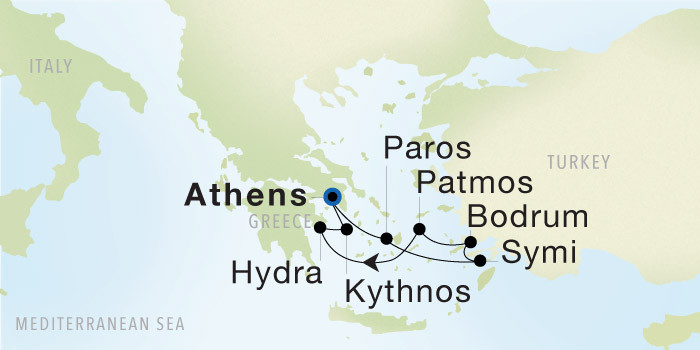
Bookended by historic Athens, this round-trip voyage reveals the beauty and diversity of the Aegean, where each port tells its own story. Explore Paros’ golden beaches and timeless Cycladic charm, then stroll Symi’s pastel harbor framed by neoclassical mansions. Cross into Bodrum, Turkey to wander its medieval castle and browse vibrant bazaars filled with spices and local crafts. In Patmos, uncover sacred sites and serene landscapes before continuing to Hydra’s elegant harbor and Kythnos’ twin bays of Kolona Beach. Conclude your journey back to Athens, enriched by a week of culture, color, and coastal splendor.
Date
Ports of Call
Arrive
Depart
Sep 23, 2028
Athens (Piraeus), Greece
2 PM - 4 PM
(Embarkation)
Evening
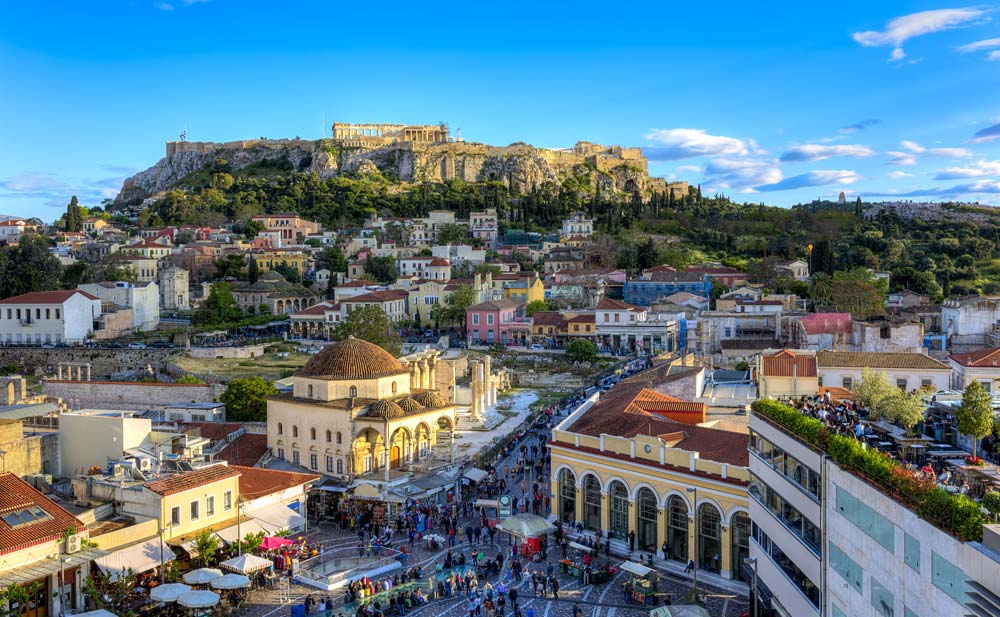
Piraeus, roughly translating to “the place over the passage”, is an important Greek port located within the Athens agglomeration, in the Attica Basin. It is 12 kilometers from the municipality of Athens, considered the fourth largest and is the third most populous amongst all the municipalities of Greece. Now a peninsula, Piraeus, originally a rocky island, was developed in early 5th Century B.C. when it was initially designated as Athens’ import and transit trade port. It is the largest marine-based shipping center of Greece, one of the largest ports in Europe, and considered the second largest passenger port in the world.
Inhabited since the 26th Century, it wasn’t until the 6th Century B.C. that Piraeus began catching attention. The land of Piraeus was essentially impassable, flooded by the sea most of the year until centuries passed and the flooding ceased. By the 5th Century B.C. it became a navy base for the Athenian fleet for the natural harbors and the strategic potential they carried. Athenian general and politician Themistocles fortified Piraeus’ three harbors Kantharos, Zea and Munichia, created ship houses and completed his walls in 471 B.C., which led to the port becoming a great military and commercial harbor.
There are many archaeological sites, points of interest and entertainment available in Piraeus. Most famous for its tavernas and cuisine, several popular events take place in Piraeus, such as the Ecocinema International Film Festival, the Maritime Festival, the Piraeus Rock Wave Festival and the Three Kings’ Way Festival. There are also many theaters, including the Municipal Theater, the open air Veakeio Theater, and the Menandreio Theater. Museums in Piraeus include the Archaeological Museum of Piraeus, the Merchant Shipping History Institute Exhibition, the Panos Aravantinos Decor Museum, the Georgios Averof Museum Ship and the Museum of Electric Railways. Be sure to catch the panoramic views available from the hill of Kastella, overlooking Athens and the Saronic Gulf!
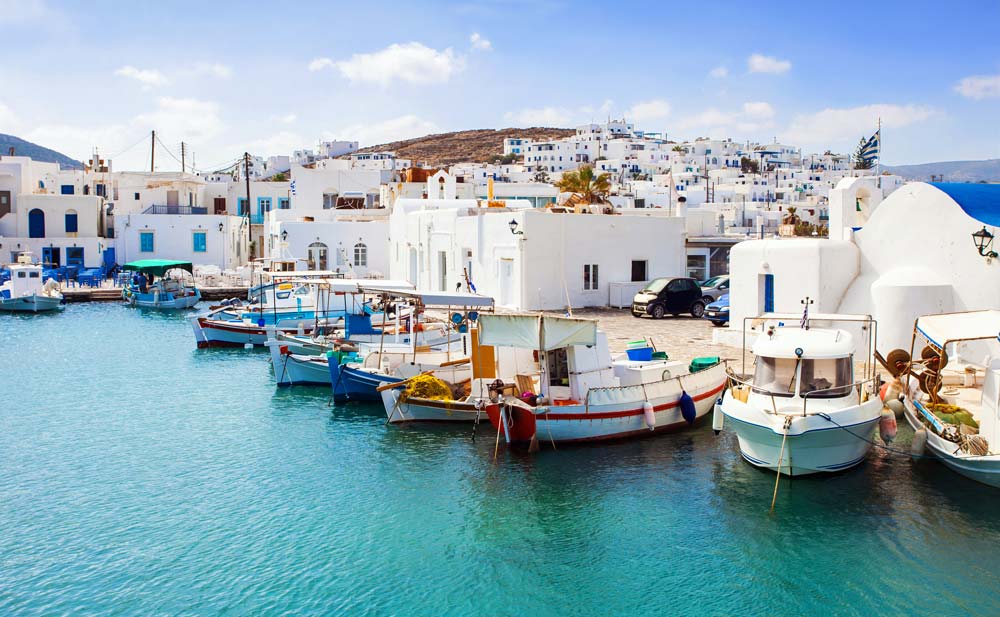
Paros is an island of Greece in the central Aegean Cyclades group. With the popularity and sometimes overcrowding at Santorini and Mykonos, Paros offers a quieter, unspoiled Cyclades option. Historically, Paros was once known for its fine white marble, which gave rise to the term "Parian" to describe marble or china of similar qualities. Some consider Paros the most beautiful in this island group – you be the judge! It has beautiful beaches and charming villages. Most visitors make an effort to see the famous Church of Ekatontapyliani (Our lady of a Hundred Doors). This church is the holy place of Paros and is linked to the history and myths of Byzantium. Tradition and history state that the church began life in the reign of Constantine the Great (280 - 337 A.D.) or Justinian (527 - 565). After its restoration in 1959, this church, the brightest jewel in the crown of Orthodoxy in the Aegean, became the third most important Christian building in Greece, after the Panayia Akheiropoietos and St. Demetrios in Thessaloniki.
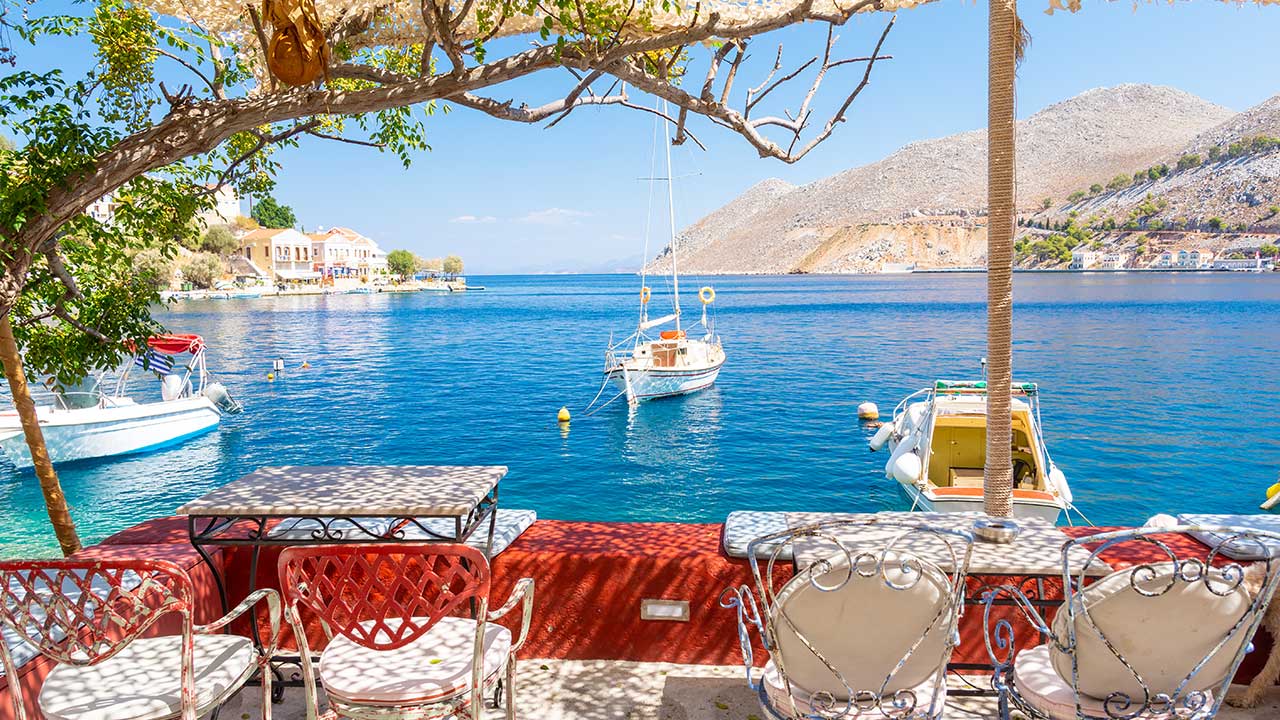
Symi is one of the most picturesque islands in the Dodecanese group. The backdrop of mountains that descend steeply into the sea forming beautiful bays such as Chorio takes one’s breath away. Stroll the quaint town, where every corner boasts a view of the Aegean Sea. Experience the timeless allure of the Monastery of Archangel Michael, set against a backdrop of olive groves and the tranquil Gulf of Panormos. Marvel at the monumental baroque bell tower—the world’s tallest—and discover the revered silver-plated icon of the Archangel Michael, steeped in legend.
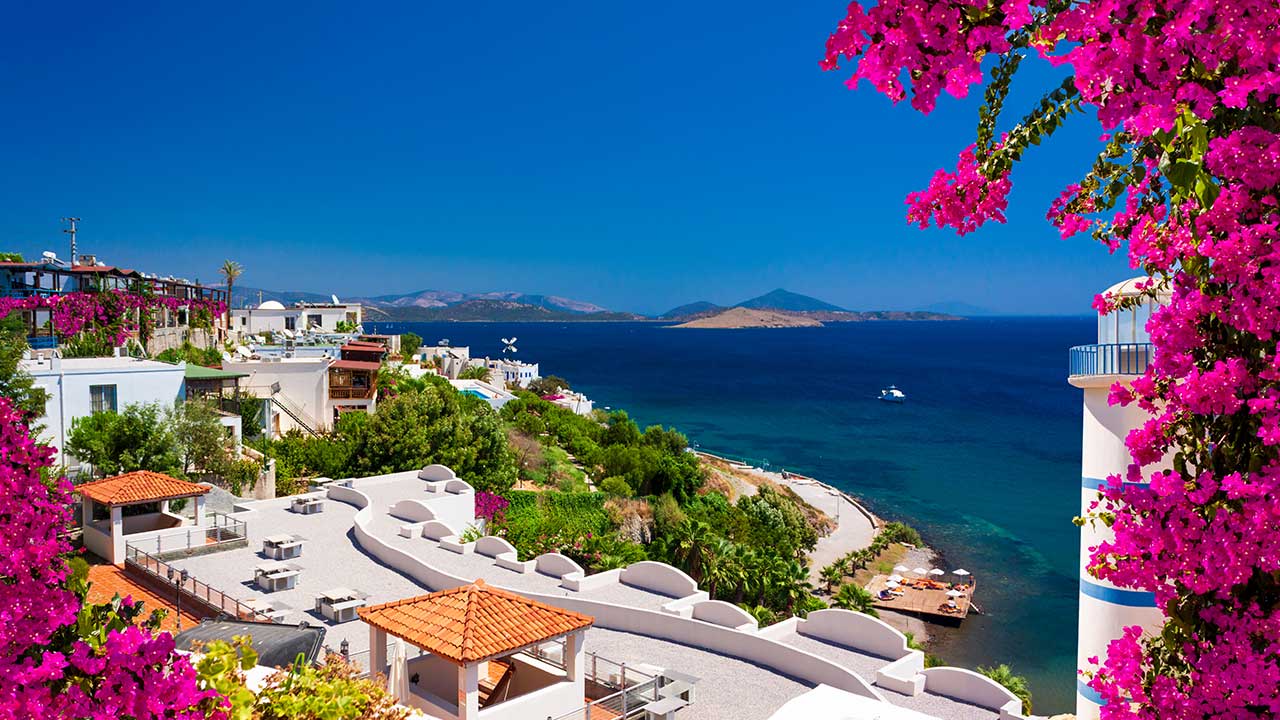
Bodrum, once a tiny fishing port, you’ll see why it’s become a vacation paradise; perfect climate, natural beauty, magnificent history and a bustling nightlife. Bodrum is the site of the ancient city of Halikarnassus, the location of the famous Mausoleum of Halikarnassus which is one of the Seven Wonders of the Ancient World. You can venture out to the site as well as the Knight’s Castle on one of the land adventures. Another great option here would be to scuba dive or simply explore this amazing peninsula.
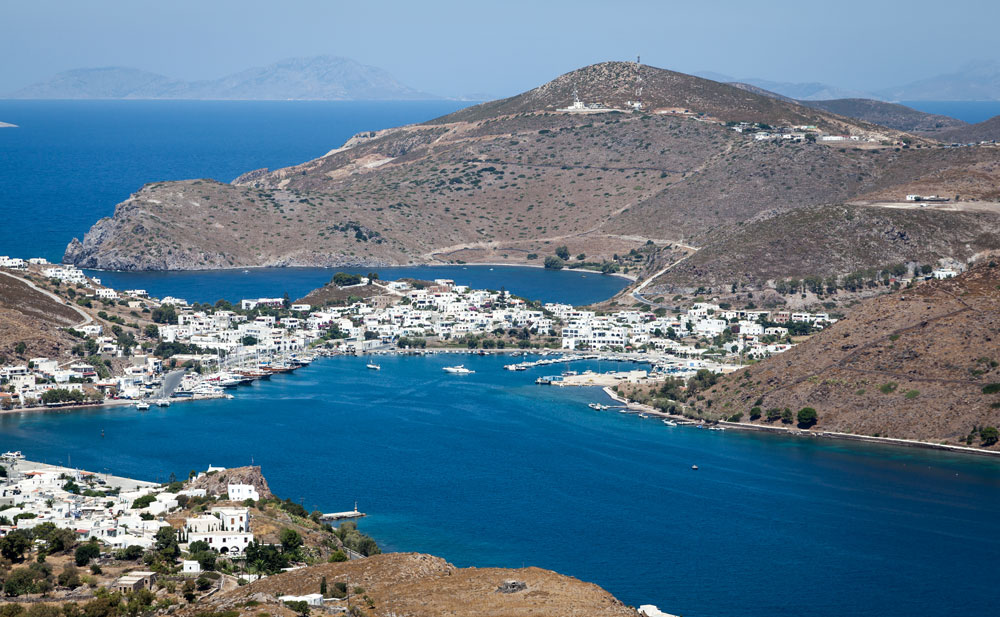
Patmos is in the South Aegean Islands, particularly a member of the Dodecanese Islands of Greece. It is north of Leros and is most known for its connection to John the Apostle from the Book of Revelations; therefore Christian pilgrims frequent this destination. In mythology, Patmos was named “Letois”, which is another named for the goddess Diana, Leto’s daughter. Since ancient authors seldom mention Patmos in early text, information on early inhabitants is limited. It is widely believed the original people of Patmos were the Carians from Asia Minor, as discovered by the earliest archaeological findings date back to the Bronze and Mycenaean periods. The mountain in the country of Caria was named Latmos, which is where historians believe the name Patmos is derived from. Dorians also colonized in Patmos, and over time, Ionians followed suit. The primary port in Patmos is Skala, which was one of the most important sea ports in the Mediterranean around the 16th century.
Early Christian basilicas were constructed in the name of John of Patmos, however between the 7th and 9th century when Saracen attacks were still problematic, the Grand Royal Basilica was destroyed. A monastery began construction in 1101 when Christodoulos assumed authority over Patmos. The population began expanding as immigrants from the fall of Constantinople and Candia to place in the 15th and 17th centuries, respectively. The island was under the Ottoman rule for years and was interrupted by Venice during the Candian War, Russia during the Orlov Revolt, and Greece during their War of Independence. During the Italo-Turkish War, Italy occupied Patmos until 1943, when Nazi Germany held power over the island until 1945. Since Patmos rejoined in 1948, it has become the tranquil and frequented destination it is now.
Tourists visit the Monastery of St. John, Chora, the Cave of Apocalypse, Psili Ammos Beach and other beautiful points of interest in “Europe’s most idyllic place to live,” as named by Forbes in 2009.
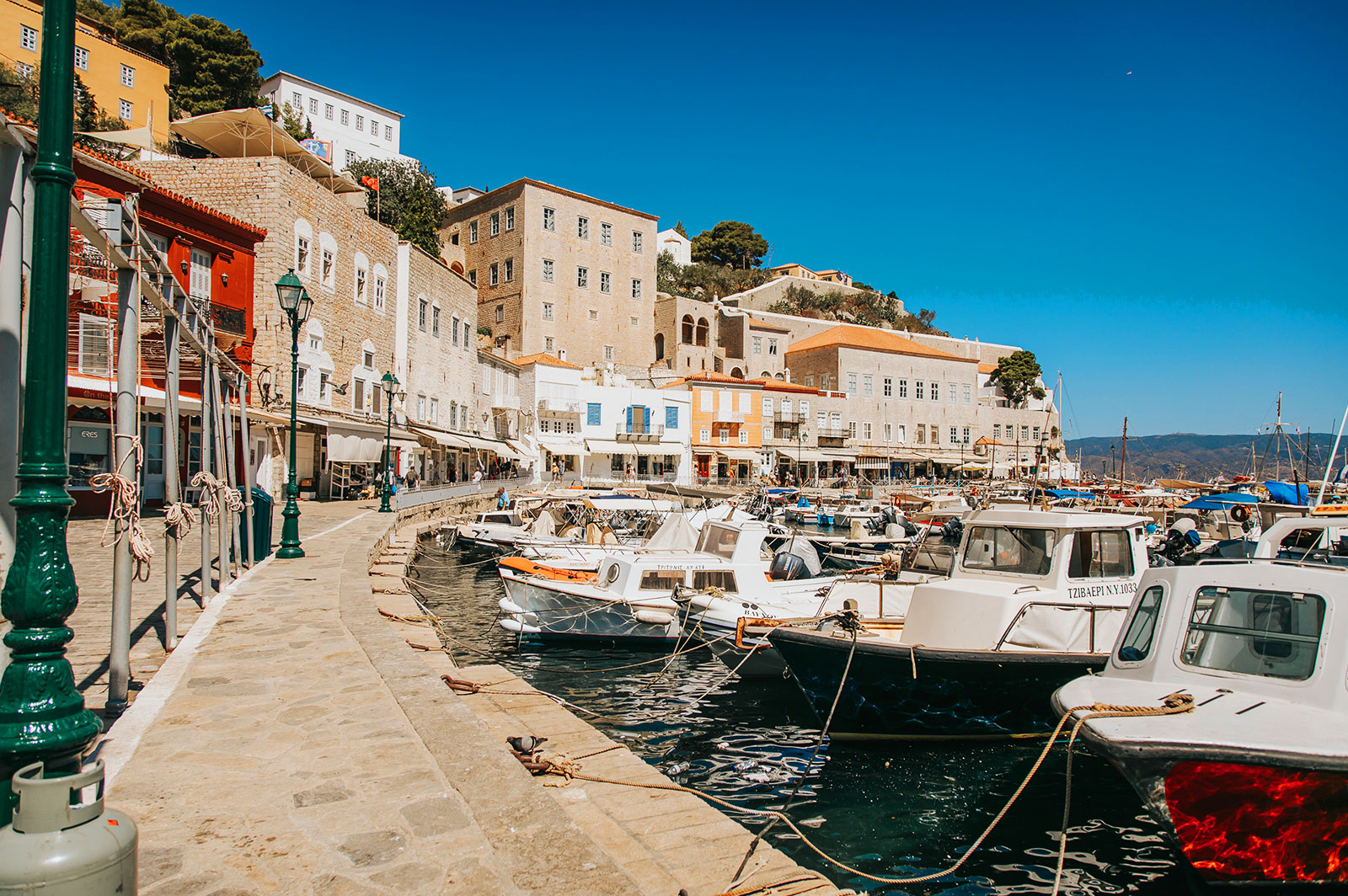
There is one main town on Hydra, known simply as "Hydra port". It consists of a crescent-shaped harbor, around which is centered a strand of restaurants, shops, markets, and galleries that cater to tourists and locals (Hydriots). Steep stone streets lead up and outwards from the harbor area.
The charm of Hydra town certainly lies in her rich history, beautiful port and waterfront unspoiled by motorized vehicles. The island offers a rugged charm and some spectacular scenes and makes the perfect place for some self-exploration.
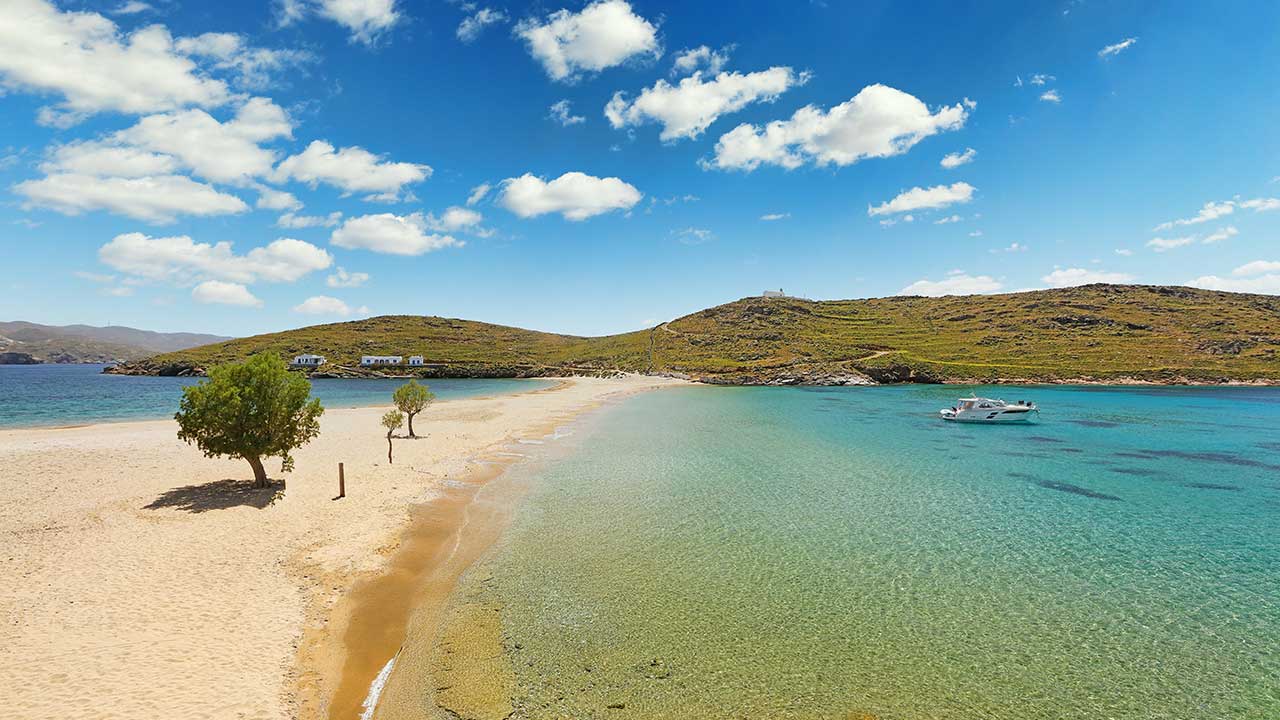
A wild natural landscape of exotic beaches nestled in the western Cyclades, Kythnos is an island of elegant simplicity and hospitality. Steeped in mythology, the island is named after Kythnos, the mythical king of the original settlers and son of the god Apollo. Bisected by ancient walls, lush valleys, and more than 100 secluded beaches, the main town of Hora and its surrounding villages shine for their elegant architecture and strollable alleyways dotted with fountains, flowers, and cozy taverns. Making its maiden call to the island in 2025, SeaDream will anchor off breathtaking Kolona Beach, a unique isthmus beach sitting between two breathtakingly beautiful bays.
Piraeus, roughly translating to “the place over the passage”, is an important Greek port located within the Athens agglomeration, in the Attica Basin. It is 12 kilometers from the municipality of Athens, considered the fourth largest and is the third most populous amongst all the municipalities of Greece. Now a peninsula, Piraeus, originally a rocky island, was developed in early 5th Century B.C. when it was initially designated as Athens’ import and transit trade port. It is the largest marine-based shipping center of Greece, one of the largest ports in Europe, and considered the second largest passenger port in the world.
Inhabited since the 26th Century, it wasn’t until the 6th Century B.C. that Piraeus began catching attention. The land of Piraeus was essentially impassable, flooded by the sea most of the year until centuries passed and the flooding ceased. By the 5th Century B.C. it became a navy base for the Athenian fleet for the natural harbors and the strategic potential they carried. Athenian general and politician Themistocles fortified Piraeus’ three harbors Kantharos, Zea and Munichia, created ship houses and completed his walls in 471 B.C., which led to the port becoming a great military and commercial harbor.
There are many archaeological sites, points of interest and entertainment available in Piraeus. Most famous for its tavernas and cuisine, several popular events take place in Piraeus, such as the Ecocinema International Film Festival, the Maritime Festival, the Piraeus Rock Wave Festival and the Three Kings’ Way Festival. There are also many theaters, including the Municipal Theater, the open air Veakeio Theater, and the Menandreio Theater. Museums in Piraeus include the Archaeological Museum of Piraeus, the Merchant Shipping History Institute Exhibition, the Panos Aravantinos Decor Museum, the Georgios Averof Museum Ship and the Museum of Electric Railways. Be sure to catch the panoramic views available from the hill of Kastella, overlooking Athens and the Saronic Gulf!
*Single Supplement for this voyage is 200% for Yacht Club Deck 2, 3 and 4. For Commodore, Admiral and Owners Suite, a 200% single supplement rate applies.
Government, Port, Document Issuance, Handling & Service fees: $420 per guest (included)
Please Note: Fares are capacity controlled and may change without notice. The fares are per person based on double occupancy. Single and third person rates are also available. SeaDream Yacht Club strongly recommends that all guests purchase travel insurance.
Yachting Land Adventures & Activities
Please check back soon for updates.
Testimonials
This was our 3rd voyage with SeaDream – and we think the best one. We'll be back.
Mr & Mrs StenstadvoldNorway
Couples massage was one of the best I've ever had!
Mr Hucker & Mrs BrunoFlorida