Active: Hong Kong, Ha Long Bay, Da Nang / Hoi An, Con Dao, Phu Quoc, Sihanoukville, Ko Samui, Kuala Lumpur, Selangor (Port Klang), Perhentian Islands, Terengganu, Tioman, Pahang, SingaporeBird Watching: Hong Kong, Con Dao, Sihanoukville, Bangkok (Khlong Toei), Kuala Lumpur, Selangor (Port Klang), SingaporeDining: Hong Kong, Ha Long Bay, Da Nang / Hoi An, Nha Trang, Ho Chi Minh City, Phu Quoc, Sihanoukville, Bangkok (Khlong Toei), Kuala Terengganu, Terengganu, Kuala Lumpur, Selangor (Port Klang), SingaporeGolf: Hong Kong, Ha Long Bay, Da Nang / Hoi An, Nha Trang, Ho Chi Minh City, Bangkok (Khlong Toei), Ko Samui, Kuala Lumpur, Selangor (Port Klang), Tioman, Pahang, SingaporeLongevity & Spa: Ha Long Bay, Da Nang / Hoi An, Nha Trang, Ko Samui, Tioman, PahangSwimmable Beach: Hong Kong, Ha Long Bay, Da Nang / Hoi An, Con Dao, Phu Quoc, Ko Samui, Perhentian Islands, Terengganu, Tioman, Pahang, Singapore
Depart Hong Kong, its skyline still aglow from an overnight alongside for the Symphony of Lights and dim sum in Central, for Vietnam's Ha Long Bay, anchored among thousands of UNESCO-listed limestone karsts in a stillness few large ships find, kayaking into hidden grottoes as mist curls off the water. Da Nang opens onto Hoi An's UNESCO-listed old town, its lantern-lit lanes and silk tailors able to finish a suit within the day, then Nha Trang, where the swim platform drops into warm reefs beside amber-lit, centuries-old Cham towers. Con Dao, a marine park almost no other ship calls at, offers nesting turtles and colonial history, before Ho Chi Minh City's Cu Chi tunnels and a Mekong Delta sampan, and Phu Quoc, where snorkelling the An Thoi islets pairs with fish sauce aged a year in oak. Cambodia's Sihanoukville and Thailand's Ko Kut, its waterfall and tender-only coves unspoiled, lead to an overnight in Bangkok for the Grand Palace, Wat Pho, and a long-tail boat through the khlongs, with Ko Samui's Big Buddha and Bophut's teak shophouses along the way. In Malaysia, the Perhentian Islands, shallow bays alive with turtles and reef sharks and too fine for any large ship, and jungled, reef-fringed Tioman precede a final call at Singapore, where SeaDream ties up on Marina Bay for chilli crab beneath the glittering Supertrees.
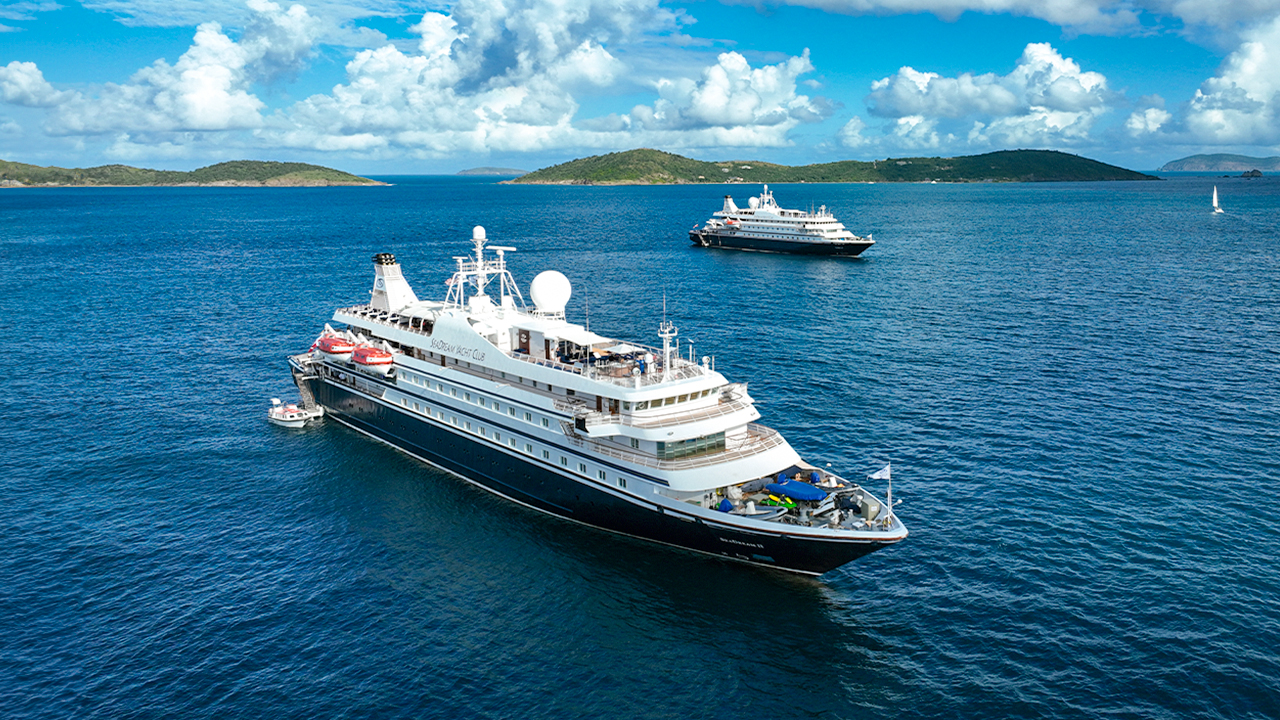
This voyage offers guests the exclusive opportunity to begin with SeaDream III's Hong Kong Showcase on October 2, 2029 or conclude with the Singapore Showcase on October 24, 2029, a rare chance to mark either end of the journey with a celebration of the yacht in her first year of sailing.
Date
Ports of Call
Arrive
Depart
Oct 03, 2029
Hong Kong, Hong Kong, China
2 PM - 4 PM
(Embarkation)
Evening
Glide into Victoria Harbour as the skyline ignites, SeaDream III overnights here, so the Symphony of Lights becomes your private nightcap from the deck. Ride the century-old Star Ferry at dusk, hunt Michelin-starred dim sum in Central, then take the funicular up Victoria Peak for the whole city laid out at your feet. A dawn sampan through Aberdeen's floating village and a fitting with a bespoke tailor round out a port that rewards those who stay long past sundown.
Few ships can linger where SeaDream III can, anchored among Ha Long Bay's thousands of emerald limestone pinnacles, far from the day-tripper flotillas. Kayak into hidden grottoes and floating fishing hamlets, then watch mist curl around the karsts at first light with a coffee in hand. Overnight at anchor and this UNESCO seascape belongs, for a few golden hours, almost entirely to you.
Few ships can linger where SeaDream III can, anchored among Ha Long Bay's thousands of emerald limestone pinnacles, far from the day-tripper flotillas. Kayak into hidden grottoes and floating fishing hamlets, then watch mist curl around the karsts at first light with a coffee in hand. Overnight at anchor and this UNESCO seascape belongs, for a few golden hours, almost entirely to you.
Come ashore at Da Nang for two of Vietnam's great treasures. By day, explore the cave-temples of the Marble Mountains and the jungle-clad Cham ruins of My Son; by dusk, wander Hoi An's lantern-lit lanes, where silk tailors stitch to measure and street kitchens perfume the day air. Order a bespoke suit at breakfast and collect it before you sail. China Beach's golden sands await in between.
Vietnam's premier beach resort city pairs a long, café-lined seafront with Cham Ponagar, a cluster of red-brick towers built by the Champa civilization over a thousand years ago and still an active place of worship. Mud baths and mineral hot springs at nearby Thap Ba have turned the city into a genuine wellness destination in its own right, while a round of golf takes advantage of the coast's reliable sunshine. A polished, well-organized introduction to Vietnam's central coast.
Once one of Southeast Asia's most notorious prison colonies, the French and later South Vietnamese governments held political prisoners here in conditions the preserved cells and infamous tiger cages still convey with real weight. That grim history sits in stark contrast to the archipelago's present, some of Vietnam's cleanest water and best-protected reef, and beaches where hawksbill and green turtles still nest undisturbed. Seabird colonies crowd the outer islands. A profound history alongside a genuine natural sanctuary.
Once one of Southeast Asia's most notorious prison colonies, the French and later South Vietnamese governments held political prisoners here in conditions the preserved cells and infamous tiger cages still convey with real weight. That grim history sits in stark contrast to the archipelago's present, some of Vietnam's cleanest water and best-protected reef, and beaches where hawksbill and green turtles still nest undisturbed. Seabird colonies crowd the outer islands. A profound history alongside a genuine natural sanctuary.
Saigon assaults the senses in the best possible way, a million motorbikes, French-colonial grandeur and rooftop bars above the fray. Trace the country's history at the Cu Chi tunnels and the War Remnants Museum, then barter through Ben Thanh Market for silk and spice. Cross into the Mekong Delta by sampan for floating markets and fruit orchards. Return to SeaDream's calm at day, the day's intensity happily left ashore.
Saigon assaults the senses in the best possible way, a million motorbikes, French-colonial grandeur and rooftop bars above the fray. Trace the country's history at the Cu Chi tunnels and the War Remnants Museum, then barter through Ben Thanh Market for silk and spice. Cross into the Mekong Delta by sampan for floating markets and fruit orchards. Return to SeaDream's calm at day, the day's intensity happily left ashore.
Vietnam's largest island has grown quickly into a genuine beach destination, its long white-sand coastline and clear water a world away from the country's bustling mainland cities. Phu Quoc's fish sauce, fermented in wooden barrels using methods unchanged for generations, is considered the finest in Vietnam and makes for a genuinely interesting distillery-style visit. Night markets sell the day's seafood catch grilled to order along the harbor front. Vietnam's tropical island escape, still finding its final shape.
Vietnam's largest island has grown quickly into a genuine beach destination, its long white-sand coastline and clear water a world away from the country's bustling mainland cities. Phu Quoc's fish sauce, fermented in wooden barrels using methods unchanged for generations, is considered the finest in Vietnam and makes for a genuinely interesting distillery-style visit. Night markets sell the day's seafood catch grilled to order along the harbor front. Vietnam's tropical island escape, still finding its final shape.
Thailand's fourth-largest island has stayed deliberately undeveloped, no high-rise resorts, no real nightlife, just clear water, powder sand and a rainforest interior threaded with waterfalls. Fishing villages built on stilts over the water at Bang Bao give a sense of a slower, more traditional Gulf of Thailand life. About as close to an untouched Thai island as still exists within reach of the mainland.
From the port, plunge into the glorious chaos of the City of Angels. Watch dawn gild the spires of the Grand Palace and the reclining Buddha at Wat Pho, then trade tuk-tuks for a long-tail boat threading the khlongs to the flower and fruit markets. As day falls, a rooftop bar and a private table of som tam, massaman and mango sticky rice await. With overnights aboard, you savor Bangkok's cool evenings without ever repacking a bag.
From the port, plunge into the glorious chaos of the City of Angels. Watch dawn gild the spires of the Grand Palace and the reclining Buddha at Wat Pho, then trade tuk-tuks for a long-tail boat threading the khlongs to the flower and fruit markets. As day falls, a rooftop bar and a private table of som tam, massaman and mango sticky rice await. With overnights aboard, you savor Bangkok's cool evenings without ever repacking a bag.
Samui greets you with swaying coconut palms and the serene golden gaze of the Big Buddha above the bay. Laze on Chaweng's fine sand, browse Fisherman's Village at Bophut where old teak shophouses become a Friday walking street, or retreat to a hilltop spa for a traditional Thai massage. Chase jungle waterfalls inland, then let SeaDream's marina turn the warm Gulf into your private playground.
A quiet Malaysian state capital on the South China Sea coast, known well beyond its size for a genuinely excellent Malay dining scene, keropok lekor fish crackers and nasi dagang among the local specialties worth seeking out at the waterfront night market. Traditional boat-building and songket weaving, a hand-loomed brocade once reserved for royalty, are still practiced in workshops around town. A relaxed, unhurried introduction to Malaysia's less-visited east coast.
Trade the tide for the tropics of the Malaysian capital. Ride to the summit of the Petronas Twin Towers, climb the rainbow steps into the Hindu shrines of Batu Caves, and lose an afternoon among the spice-scented lanes and street food of Chinatown and Little India. Docking at Port Klang puts this glittering metropolis within easy reach, while SeaDream's intimacy means no queues, no coach convoys, just you and a curated run at Malaysia's greatest hits.
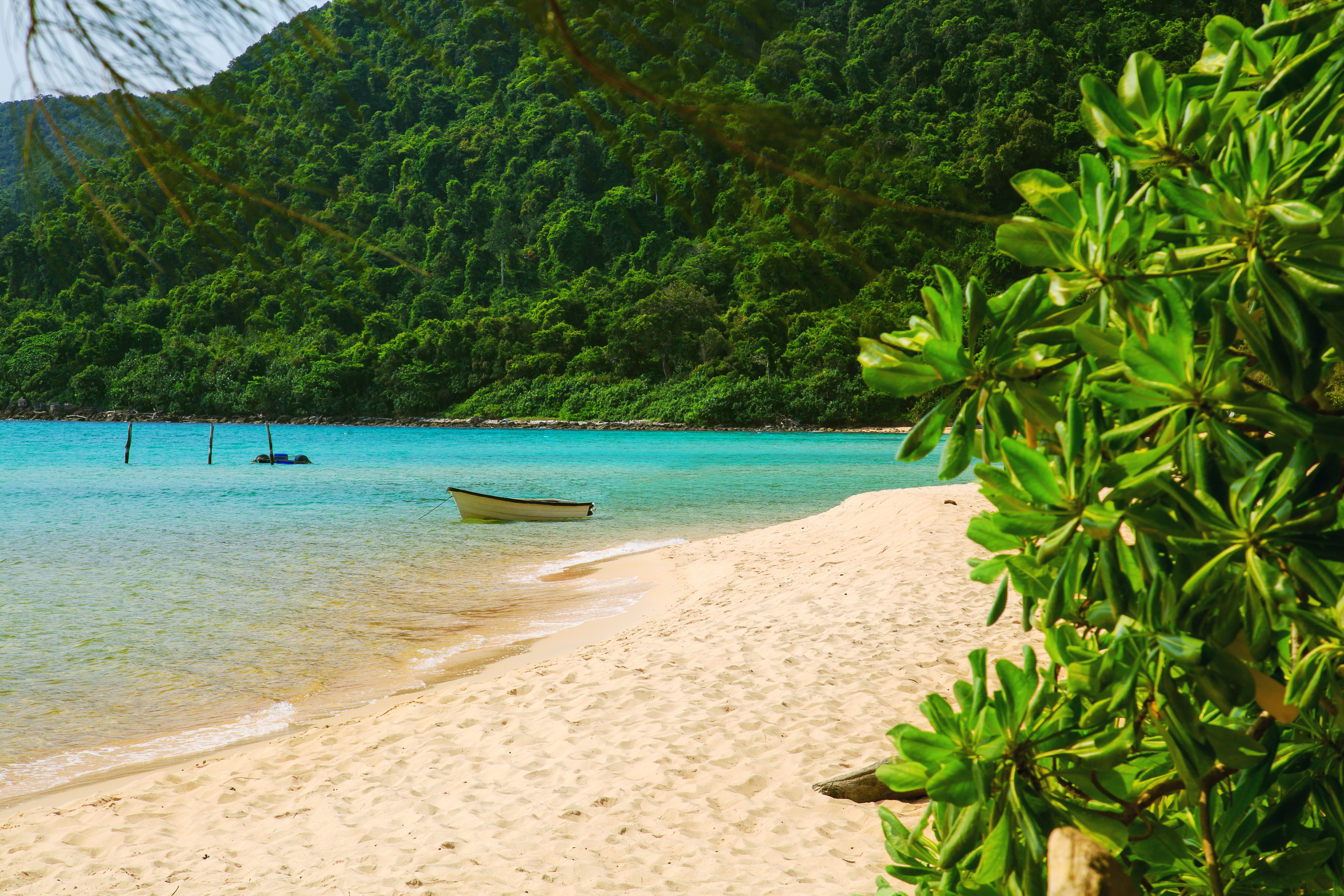
The Perhentians are the stuff of desert-island dreams, turquoise water so clear the coral reads like a map, and no room for large ships in their shallow bays. SeaDream III anchors offshore, and the marina delivers you straight to reefs alive with green turtles, blacktip reef sharks and clouds of parrotfish. Laze on flour-soft sand between swims. This is barefoot Malaysia at its most pristine and private.
Legend says a dragon settled here and became an island, and Tioman's jungled twin peaks and cascading waterfalls do feel mythic. Once a film-set stand- in for Bali Hai, it remains gloriously undeveloped: anchor offshore, snorkel coral gardens from the swim platform, trek the rainforest to hidden falls, or spot monitor lizards and hornbills ashore. Duty-free and delightfully remote, it is best reached exactly as you do, by yacht. Swimming and non-motorised craft only here; motorised watersports need the local authority's permission.
Begin where garden-city futurism meets old Asia. Marvel at the Supertrees and misty Cloud Forest of Gardens by the Bay, raise a Singapore Sling at Raffles' Long Bar, then graze Maxwell hawker center for chili crab and Hainanese chicken rice. Being small, SeaDream berths right on Marina Bay, a front-row seat the mega-ships can't claim, and an overnight lets you watch the light show glitter long after the crowds have thinned.
Begin where garden-city futurism meets old Asia. Marvel at the Supertrees and misty Cloud Forest of Gardens by the Bay, raise a Singapore Sling at Raffles' Long Bar, then graze Maxwell hawker center for chili crab and Hainanese chicken rice. Being small, SeaDream berths right on Marina Bay, a front-row seat the mega-ships can't claim, and an overnight lets you watch the light show glitter long after the crowds have thinned.
Fares are per person based on double occupancy and include government, port and service fees. Fares are capacity controlled and may change without notice.
Yachting Land Adventures & Activities
We are curating extraordinary, bucket-list experiences across the globe for SeaDream III. Details of these once-in-a-lifetime Yachting Land Adventures will be unveiled in the months ahead.
Testimonials
The chef is outstanding. Every dish was excellent – loved the Indian menu.
Mr. & Mrs. HardyTennessee
Couples massage was one of the best I've ever had!
Mr Hucker & Mrs BrunoFlorida