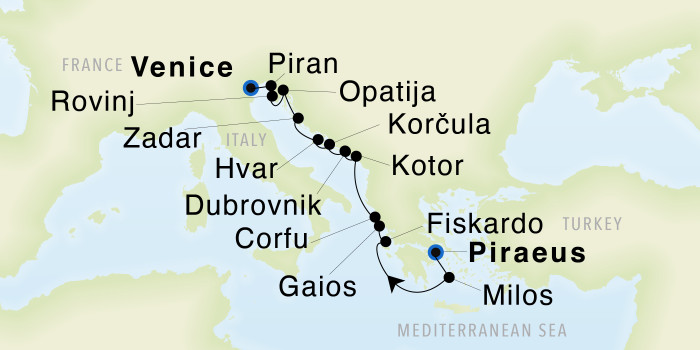
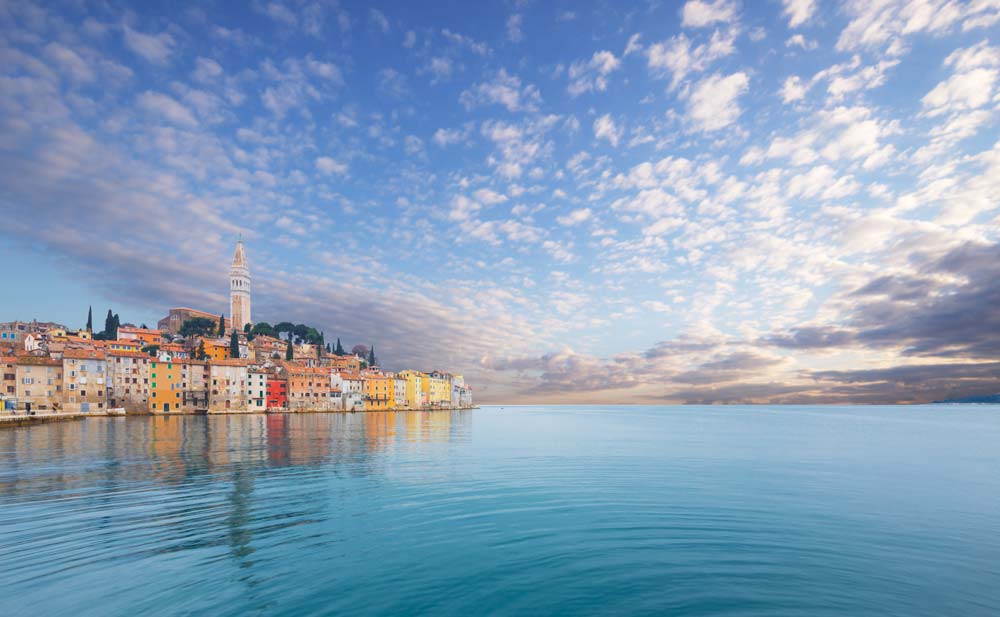
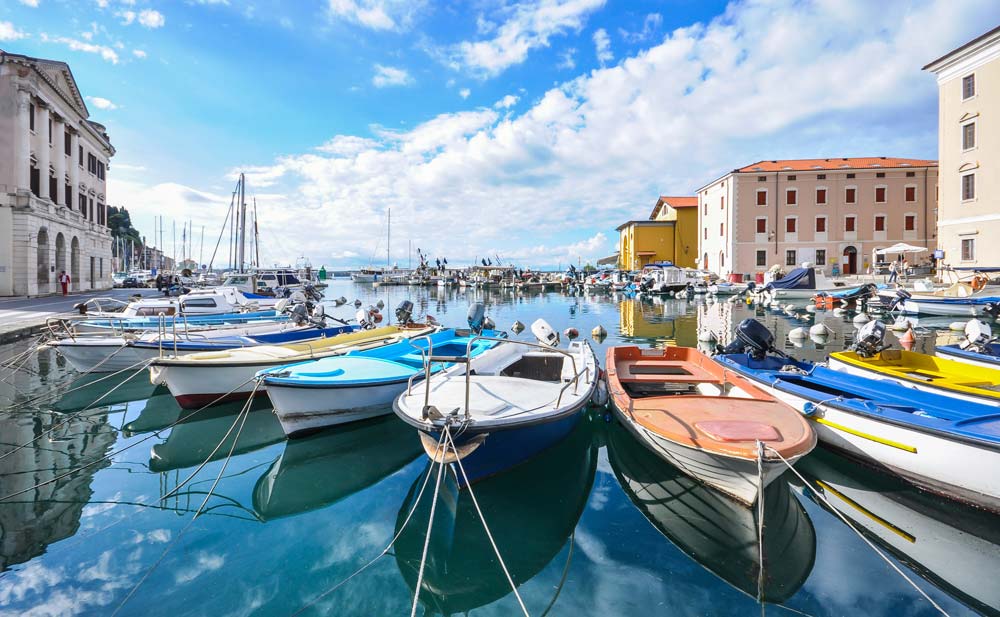
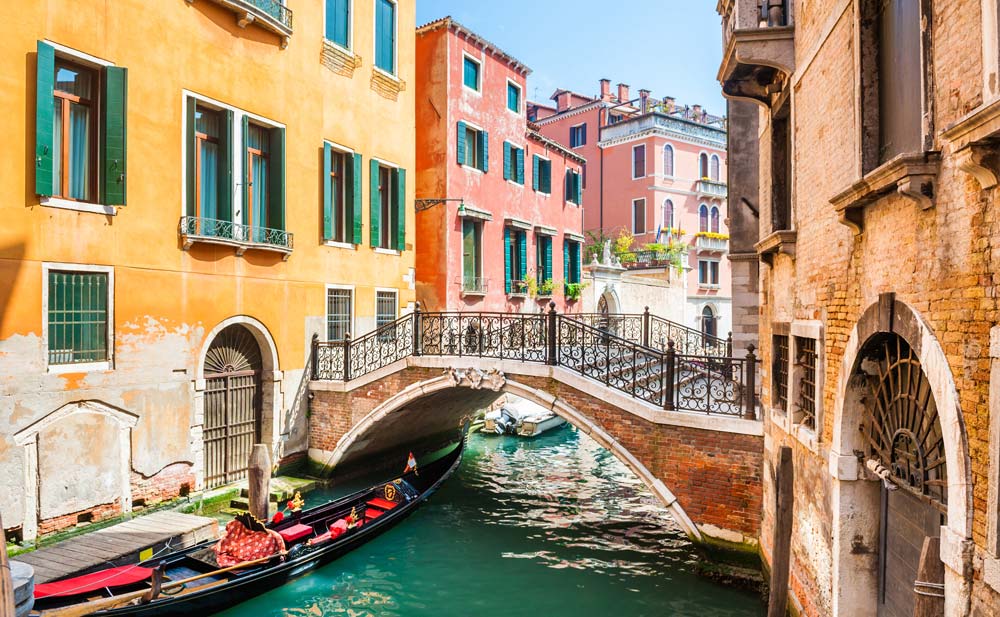
Embark on a 14-night journey from Piraeus, ancient Athens receding astern, for volcanic Milos, its Sarakiniko moonscape and hidden sea caves reached by a yacht's shallow draught, then Fiskardo, the one Kefalonian harbor spared by earthquake, its Venetian pastel houses leaning over the water, with a call at Paxos' hidden coves along the way. Corfu's UNESCO-listed old town unfolds in Venetian arcades and turquoise coves, before SeaDream sails deep into Europe's southernmost fjord to Kotor, its walled UNESCO old town met by 1,350 ramparts steps and an overnight stay in port, one of the Dalmatian coast's storied walled cities alongside Dubrovnik and Hvar. Walk Dubrovnik's mighty medieval walls above terracotta rooftops and the marble Stradun, then wander lavender-scented, UNESCO-listed Hvar and Zadar, where the sea itself plays music through the stone Sea Organ. Rovinj's ochre houses climb to St Euphemia's belltower, with a stop in storybook Piran along the way. Concluding in Venice, arriving by sea past domes and palazzi into the lagoon's shimmering heart, a spectacle few ships are small enough to enter.
Date
Ports of Call
Arrive
Depart
Apr 05, 2030
Athens (Piraeus), Greece
2 PM - 4 PM
(Embarkation)
Evening
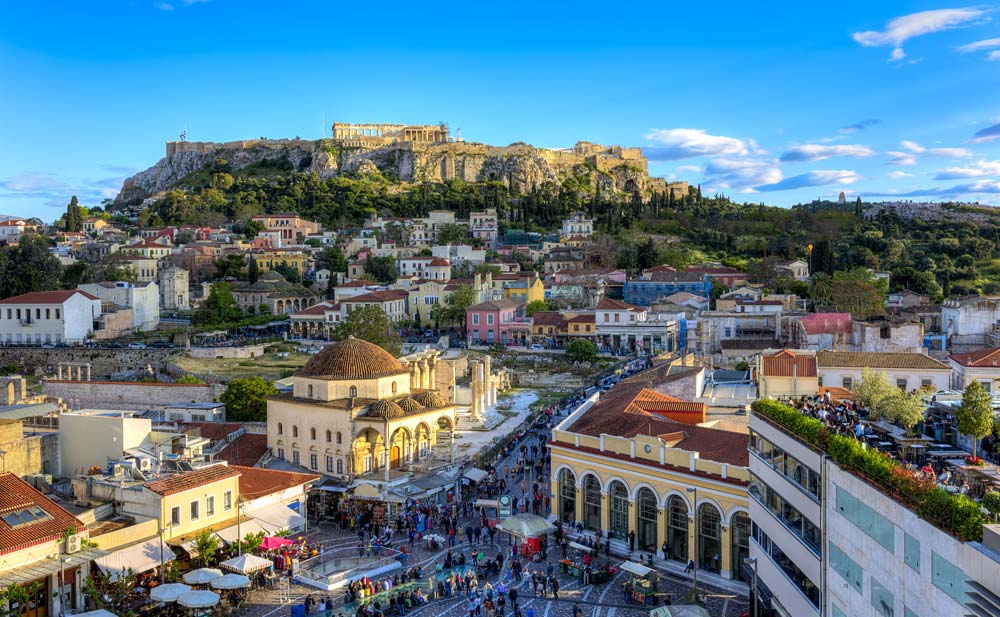
Piraeus, roughly translating to “the place over the passage”, is an important Greek port located within the Athens agglomeration, in the Attica Basin. It is 12 kilometers from the municipality of Athens, considered the fourth largest and is the third most populous amongst all the municipalities of Greece. Now a peninsula, Piraeus, originally a rocky island, was developed in early 5th Century B.C. when it was initially designated as Athens’ import and transit trade port. It is the largest marine-based shipping center of Greece, one of the largest ports in Europe, and considered the second largest passenger port in the world.
Inhabited since the 26th Century, it wasn’t until the 6th Century B.C. that Piraeus began catching attention. The land of Piraeus was essentially impassable, flooded by the sea most of the year until centuries passed and the flooding ceased. By the 5th Century B.C. it became a navy base for the Athenian fleet for the natural harbors and the strategic potential they carried. Athenian general and politician Themistocles fortified Piraeus’ three harbors Kantharos, Zea and Munichia, created ship houses and completed his walls in 471 B.C., which led to the port becoming a great military and commercial harbor.
There are many archaeological sites, points of interest and entertainment available in Piraeus. Most famous for its tavernas and cuisine, several popular events take place in Piraeus, such as the Ecocinema International Film Festival, the Maritime Festival, the Piraeus Rock Wave Festival and the Three Kings’ Way Festival. There are also many theaters, including the Municipal Theater, the open air Veakeio Theater, and the Menandreio Theater. Museums in Piraeus include the Archaeological Museum of Piraeus, the Merchant Shipping History Institute Exhibition, the Panos Aravantinos Decor Museum, the Georgios Averof Museum Ship and the Museum of Electric Railways. Be sure to catch the panoramic views available from the hill of Kastella, overlooking Athens and the Saronic Gulf!
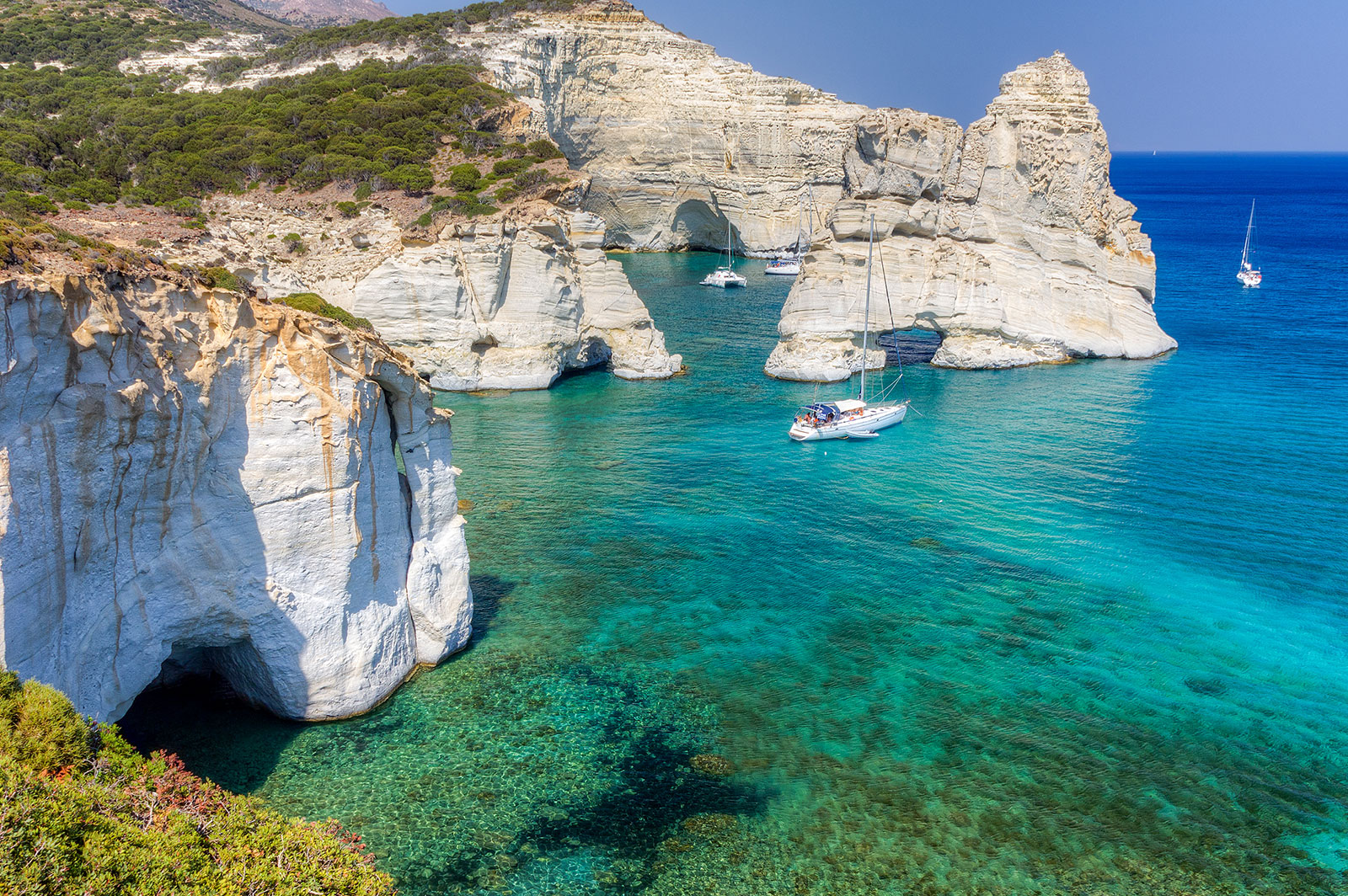
Perhaps providing the most diverse and dramatic coastline of all the Greek islands, sheltered, horseshoe-shaped Milos boasts more than 70 beaches and is heralded as the location where Venus de Milo (the ancient Greek goddess Aphrodite) was discovered. Milos has been named “the island of colors” thanks to its volcanic origin, which offers beaches and waters with a variety of colors and distinct beauty. Due to the volcanic origin of its ground, Milos presents an impressive coastal morphology and diversity. There are white-yellow beaches, bays with pebbles surrounded by stones, and white, red, yellow or black rocks. While discovering your favorite sand upon which to relax, don’t overlook Sarakiniko’s volcanic white cliffs and Papafragas’s emerald-green swimming holes and caves—shaped by the island’s unique minerals, including obsidian, barite, and sulphur, which happily bubble up in abundant hot springs.
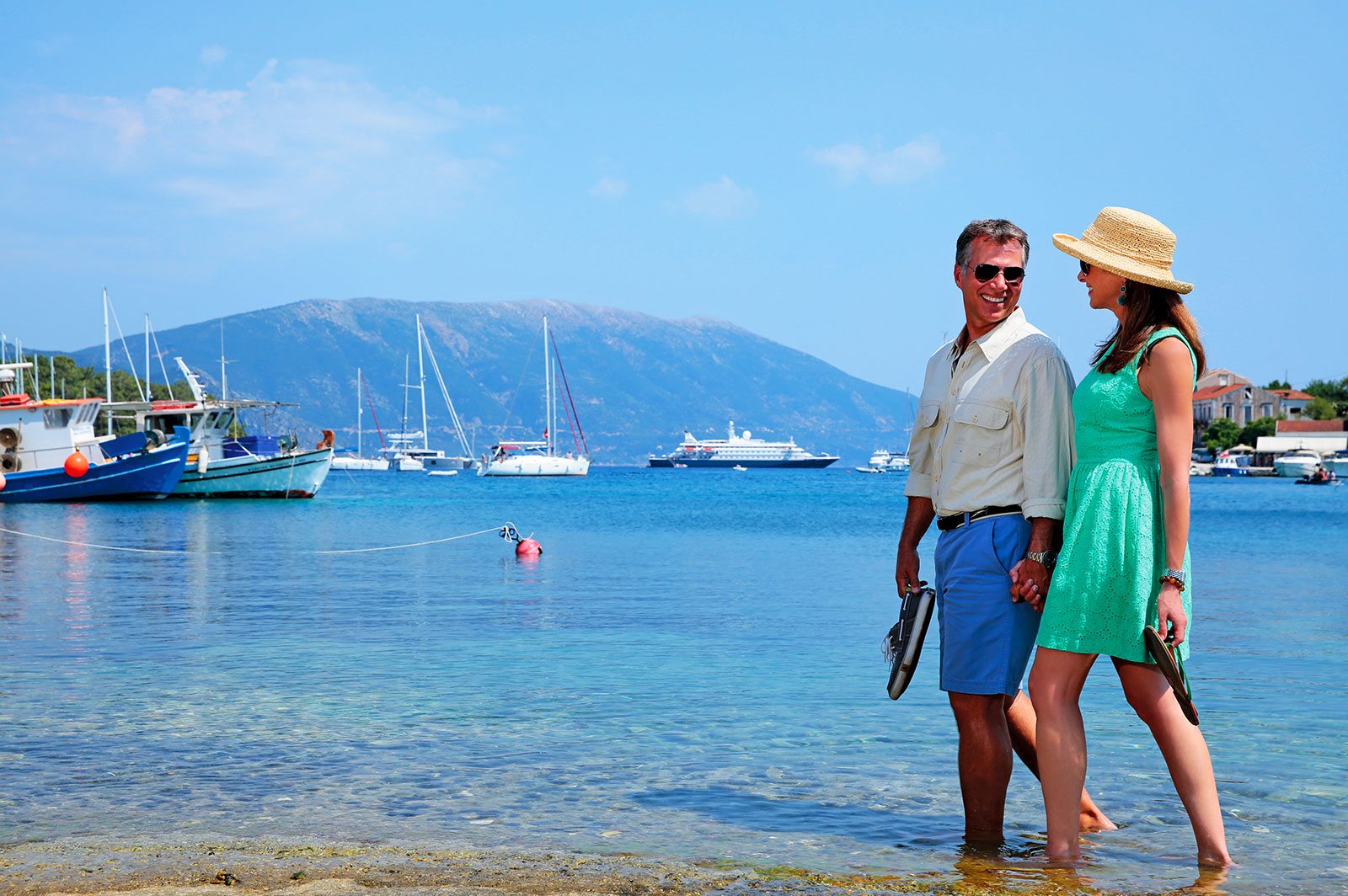
Fiskardo is a village located about 54 km north of Argostoli and a district of the city of Erisos.The coast around Fiskardo is mainly rocky with numerous pebble-beached coves. There are numerous viewpoints in the area around the village that offer panoramic views of the Ionian Sea including Daskalio island, Ithaca, northwestern Aetolia-Acarnania and the island of Lefkada.
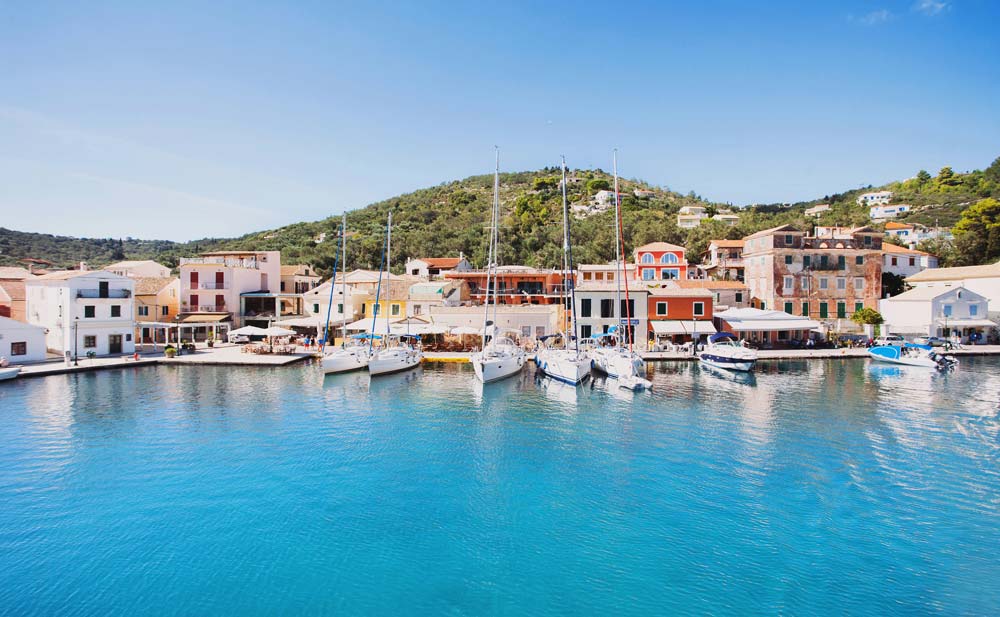
Gaios is a charming port town and spreads itself along the waterfront. You can enter Gaios town from a northerly or southerly direction passing two small islands, the first at the mouth of Gaios harbor is called Panayia (Virgin Mary) on which there is a beautiful white monastery.
Gaios is the main port on Paxoi, the smallest of the seven principal Ionian Islands (the Heptanese), in Greece. Gaios is situated on the east coast of the island. It is named after a homonymous pupil of Paul the Apostle, who brought Christianity to the island. Depending on the local conditions, the yacht can anchor on the north side or south side of the town and offers water sports in some of the clearest waters imaginable.
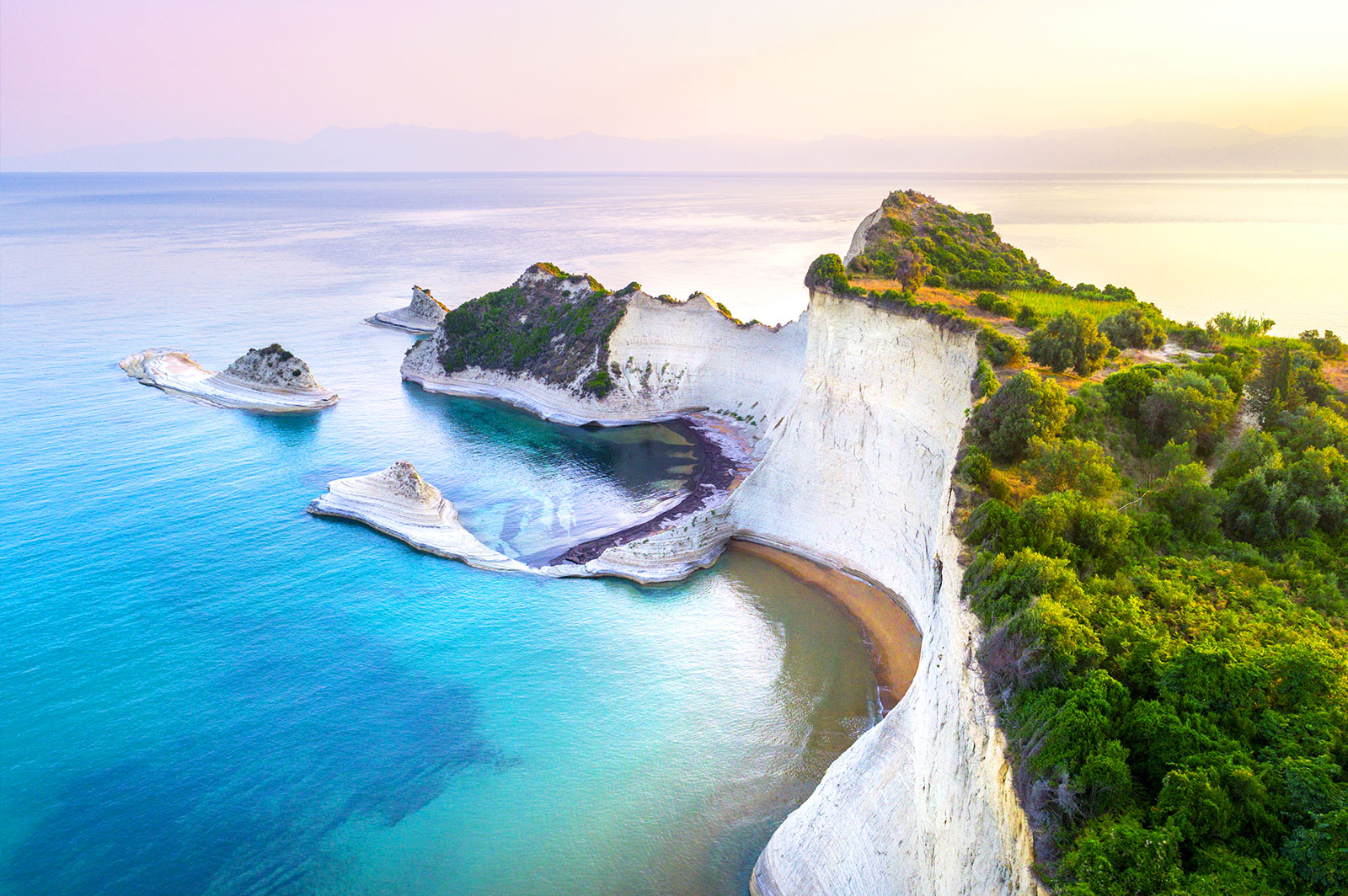
Corfu’s rich multicultural heritage, historic monuments, and unsurpassed natural landscape make the island notable as one of the most cosmopolitan of all Mediterranean destinations. Corfu is the second largest Greek island in the Ionian Sea, situated so far north that parts of its coastline lie off the Albanian coast of Sarandë. In Greek, the island is named Kerkyra, Homer’s beautiful and rich land described in The Odyssey and Odysseus’s last stop on his ten-year journey home to Ithaca. With vibrant wildflowers and slender cypress trees rising from olive groves, Corfu is considered by many to be the most beautiful—and greenest—of all the Greek Islands.
Unlike the rest of Greece, Corfu never fell under the Ottoman oppression. Due to the successive domination of the Venetians, French, and the British over the centuries the island has become part of the Western rather than the Levantine world. Venetian culture wielded strong influence throughout the island, the town of Corfu reminiscent of Venice and Florence, Italy. In the beautifully preserved Old Town, a UNESCO World Heritage site since 2007, Renaissance, Baroque, and Classical influences came to be successfully applied to local artistic traditions. The cobblestone streets and pastel-colored Venetian architecture of the Old Town are a gem for sightseeing, boasting the fifteenth-century Old Fortress of Corfu, constructed on the site of a former Byzantine castle. To the West, the Venetian-constructed New Fortress features a network of underground tunnels and views that overlook the harbor. The Archaeological Museum contains artifacts from the Archaic period, including bronze and marble statues, clay pottery, and parts of ancient temples. Best explored by foot, visitors to Old Town note the charm of Spianada Square and Liston Street, reminiscent of Rue de Rivoli in Paris. Nearby, explore the Achillion Palace, built in 1890 as the summer retreat of Austria’s Empress Elizabeth.
Nature lovers will find unmatched scenery at secluded La Grotta Beach, where swimming, snorkeling, and cliff diving opportunities are plentiful, and the Corfu Trail, extending from Asprokavos along the south coast up to Agios Spiridon in the north. This off-the-beaten-path hiking trail passes through rolling olive groves, rugged gorges, traditional Greek villages, and ancient monasteries that line its route.
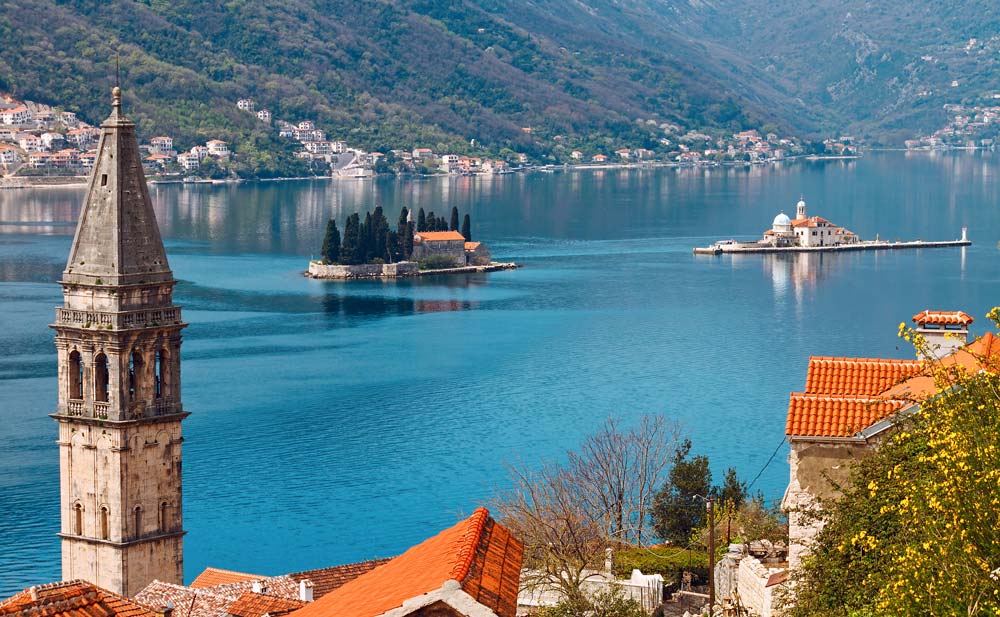
Kotor is a coastal town in Montenegro. The old Mediterranean port of Kotor is surrounded by an impressive city wall built by the Republic of Venice and the Venetian influence remains dominant among the architectural influences. In 1979 the Bay of Kotor, City of Kotor and the surrounding territory have been listed in the UNESCO Heritage as a Cultural Site. SeaDream usually navigates close by the small islands of St. George and Our Lady of the Reef. The Bay of Kotor stretches 28 km and is one of the most indented parts of the Adriatic Sea. It is sometimes called the southern-most fjord in Europe (though it is actually a submerged river canyon called a ria). SeaDream typically docks steps away from the town. SeaDream has arranged a few different Yachting Land Adventures. One of them is a walking discovery and the other will show you the heritage and countryside of Montenegro. For the active guests, there’s incredible biking along the coast as well as a hike up to the fortress. On occasion, SeaDream may dock in the bay and tender directly to the town. We regret that watersports are not allowed in this protected area.
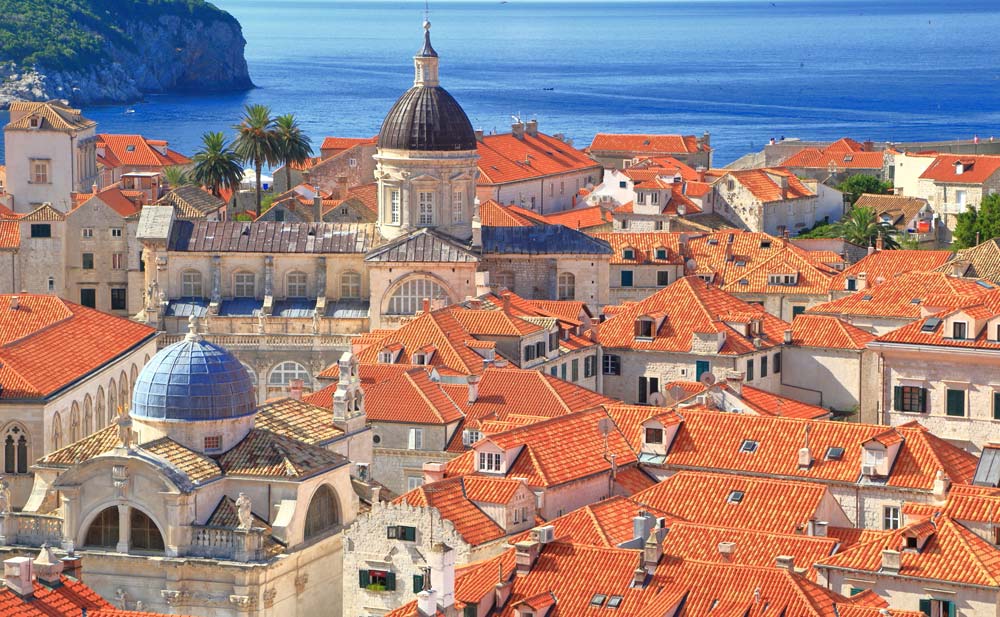
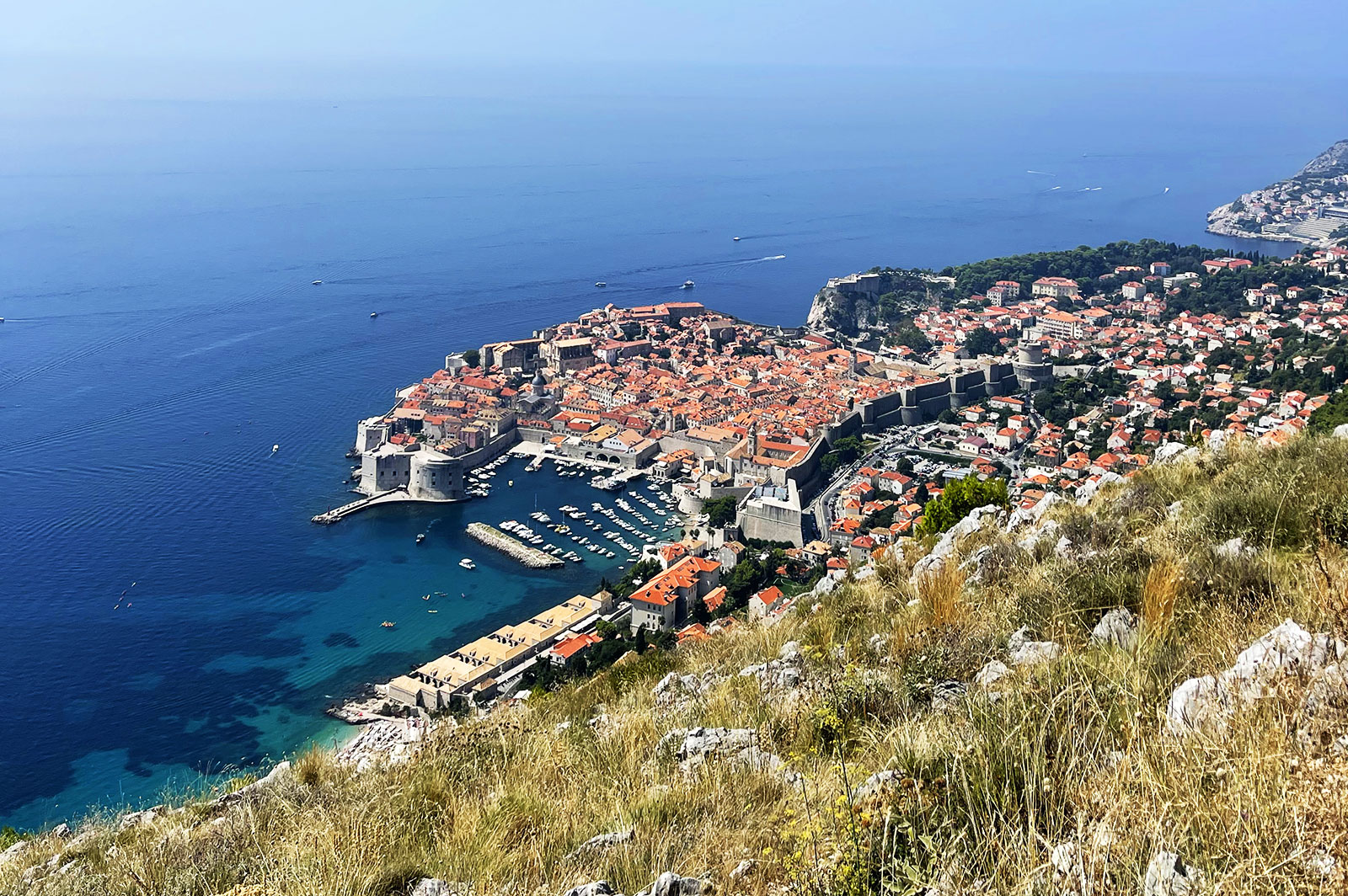
Jutting into the southern Adriatic Sea coast, Dubrovnik—dubbed the “Pearl of the Adriatic”—is perhaps the most picturesque city on the Dalmatian Coast. A key Mediterranean maritime power from the 13th century, Dubrovnik has preserved its storied mix of Gothic, Renaissance, and Baroque churches, monasteries, palaces, and fountains. Its Old Town is a UNESCO World Heritage site adorned with the ancient city walls and Rector’s Palace. SeaDream anchors off the walled city as a port of call and tenders directly to the town gate.
Jutting into the southern Adriatic Sea coast, Dubrovnik—dubbed the “Pearl of the Adriatic”—is perhaps the most picturesque city on the Dalmatian Coast. A key Mediterranean maritime power from the 13th century, Dubrovnik has preserved its storied mix of Gothic, Renaissance, and Baroque churches, monasteries, palaces, and fountains. Its Old Town is a UNESCO World Heritage site adorned with the ancient city walls and Rector’s Palace. SeaDream anchors off the walled city as a port of call and tenders directly to the town gate.
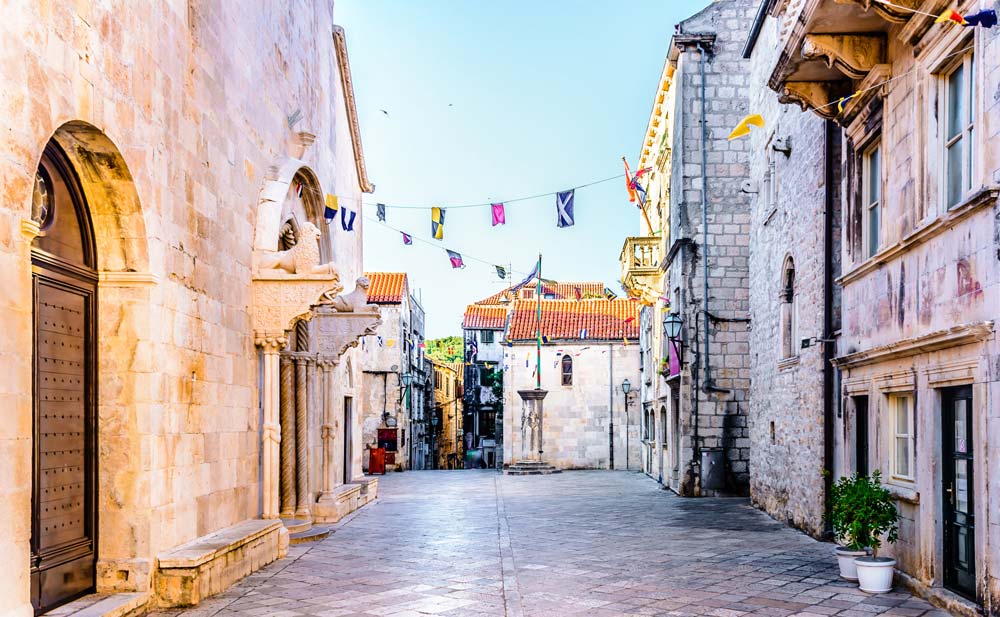
Korčula may be the actual birthplace of Marco Polo! This is an island in the Adriatic Sea, in Southern Dalmatia and is considered by our guests as one of their favorites. One activity offered sells out every time so book early the Buggy Safari. As SeaDream typically anchors off Korcula expects the water toys to be used from the marina platform. As the island is relatively flat, this is a great biking destination as well.
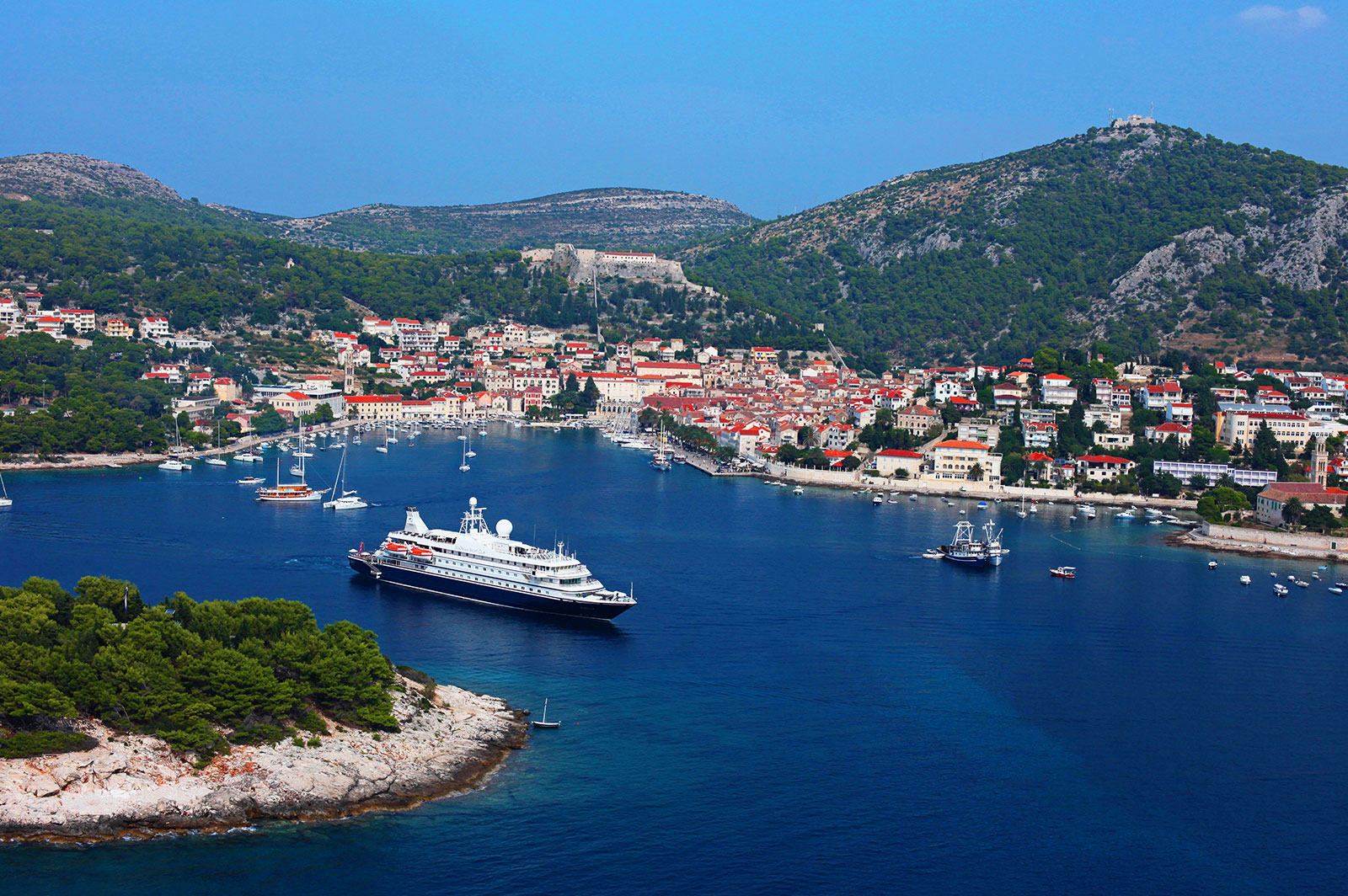
Hvar is a Croatian island in the Adriatic Sea. The island of Hvar is somewhat unusual as it is blessed with a large fertile coastal plain and fresh water springs. Its hillsides are covered in pine forests, with vineyards, olive groves, fruit orchards and lavender fields in the agricultural areas. The climate is characterized by mild winters and warm summers with many hours of sunshine. Guests have an option to kayak down the coastline on one of our land adventures or take an independent hike up to the fortress to have some incredible views of the picturesque harbor. You also have an option to bike across the island to Starigrad and meet up with the other guests on the land adventure called “The best of Both Worlds".
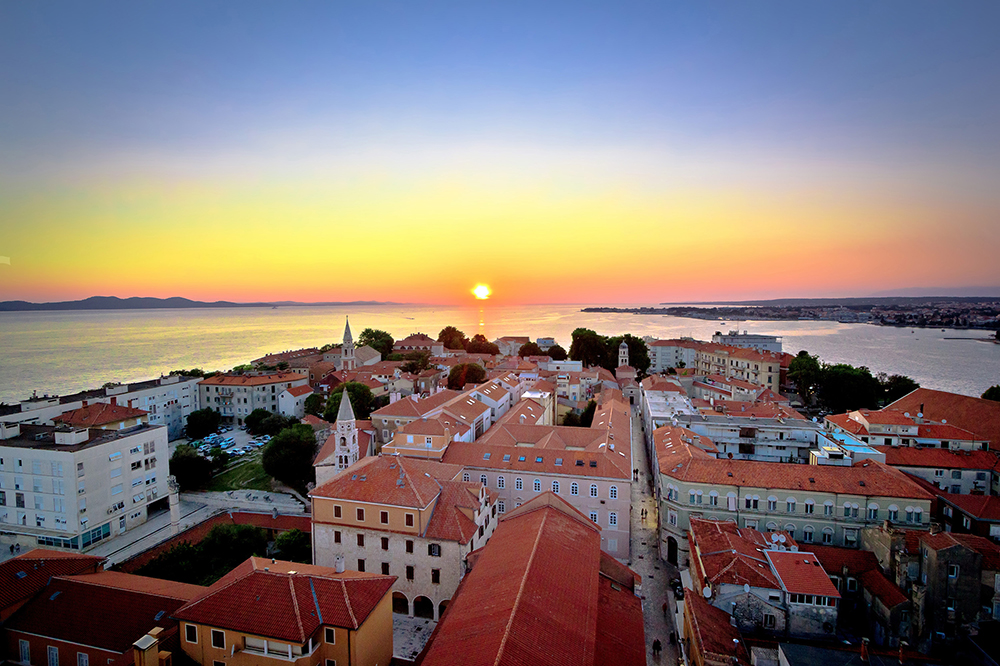
Welcome to the Dalmatian Coast. Zadar is the oldest inhabited city in Croatia, and dates back to 59 BC when the city was a Roman municipality featuring traditional Roman infrastructure and early urban planning. The city’s modern history includes major transformations during World War II and during the 1990’s during the country’s war of independence. Enjoy the beautiful streets, amazing architecture, and beautiful culture that the city had to offer.
Opatija is a tranquil resort sometimes referred to as “Croatian Monte Carlo” on the sheltered east coast of the Istrian peninsula of Croatia. This village is a complete contrast to the dry Dalmatian coastal towns further south. Green hillsides give way to gardens and parks full of exotic plants down by the ocean. This town was developed in the 1880s specifically as a chic resort. Its mild climate and stunning setting made it a favorite winter destination for the 19th century Austrian and Hungarian aristocracy. Most of the hotels in town were constructed from this period. Opatija's highly jagged and rocky coast is bordered by a shady promenade, the Lungomare, which extends for 12km to the picturesque village of Lovran. Along the way, there are dozens of picturesque secluded coves to stretch out a towel along the rocks and jump into the sea.
Rovinj is a popular tourist resort in Croatia situated on the north Adriatic Sea. It is situated on the western coast of the Istrian peninsula and remains as one of the last true fishing ports. SeaDream has arranged some unique land adventure options including; Porec, a Touch of History, Culture & The Family Tradition of Wine Making, and the very popular Searching For Truffles in the Countryside. SeaDream is scheduled to anchor to offer water sports activities from the marina (Permission and conditions pending).
Piran may be the most beautiful of Slovenia's coastal towns. It is perched on a tiny piece of land jutting into the sea. It has the feeling of being more like an Italian coastal town, without all the tourists. Piran was part of the Venetian empire from the late 13th century to the end of the 18th century and also had some influence from Austria-Hungary Empire.
Venice has been known as the "Queen of the Adriatic", "City of Water", "City of Masks", "City of Bridges", "The Floating City", and "City of Canals". Luigi Barzini, writing in The New York Times, described it as "undoubtedly the most beautiful city built by man". Venice has also been described by the Times Online as being one of Europe's most romantic cities. Founded in the 5th century, the city stretches across 118 small islands in the marshy Venetian Lagoon along the Adriatic. In 1987 Venice and its Lagoon was inscribed as a UNESCO Heritage site. SeaDream typically docks at the San Basilio pier after navigating by the famous St. Mark’s Square down the grand canal. With its yacht stature, SeaDream vessels are amongst the very few commercial vessels that can navigate this famous waterway. SeaDream does offer Land Adventures when overnighting. You can also contact our destination specialists should you need a private arrangement, transfer or hotel recommendation.
Fares are per person based on double occupancy and include government, port and service fees. Fares are capacity controlled and may change without notice.
Yachting Land Adventures & Activities
We are curating extraordinary, bucket-list experiences across the globe for SeaDream III. Details of these once-in-a-lifetime Yachting Land Adventures will be unveiled in the months ahead.
Testimonials
We enjoyed every minute of our "yacht adventure" and it really is impressive to be addressed by name from the moment we boarded! [...] The crew is really first rate and didn't miss a beat in providing the best service I've ever experienced.
Dale W.California
Exceptional food. Interesting menu options. A delight every lunch & dinner.
Mrs Lydia P.Michigan