Active: London, New Ross, Brodick, Isle of Arran, ScotlandBird Watching: London, New RossDining: London, New Ross, Brodick, Isle of Arran, ScotlandGolf: London, New Ross, Brodick, Isle of Arran, ScotlandSwimmable Beach: New RossWine: London
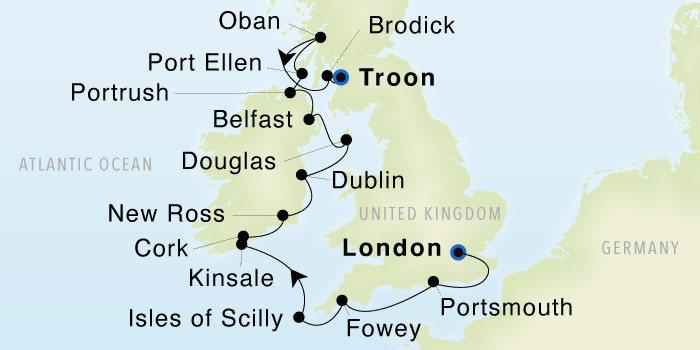
Embark in London for a journey around Britain and Ireland's westward coasts, beginning at Portsmouth, where HMS Victory and the Mary Rose recall a thousand years of naval history beneath the soaring Spinnaker Tower. Continue to Fowey, a pastel river port steeped in du Maurier's Cornwall, then reach the remote Isles of Scilly, where turquoise shallows lap white sand coves and puffins wheel above Tresco's fabled Abbey Garden. Cross to Ireland at Cobh, Cork's poignant last port of call for the Titanic, before savoring Kinsale's yacht-filled harbour beneath Charles Fort and tracing famine history at New Ross. In UNESCO-listed Dublin, wander Georgian squares and browse the illuminated Book of Kells, then discover the Celtic and Viking layers of the Isle of Man at Douglas. Belfast's Titanic story and the basalt columns of the Giant's Causeway from Portrush give way to Islay's peated distilleries, Oban's fresh langoustine, and Arran's granite ridges. Your voyage comes to a close in Glasgow, on Ayrshire's sun-catching coast, within easy reach of golf's holiest links.
This voyage offers guests the exclusive opportunity to arrive early for SeaDream III's London Showcase on May 25, 2030, a rare chance to open the journey with a celebration of the yacht in her first year of sailing.
Date
Ports of Call
Arrive
Depart
May 27, 2030
London, United Kingdom
2 PM - 4 PM
(Embarkation)
Evening
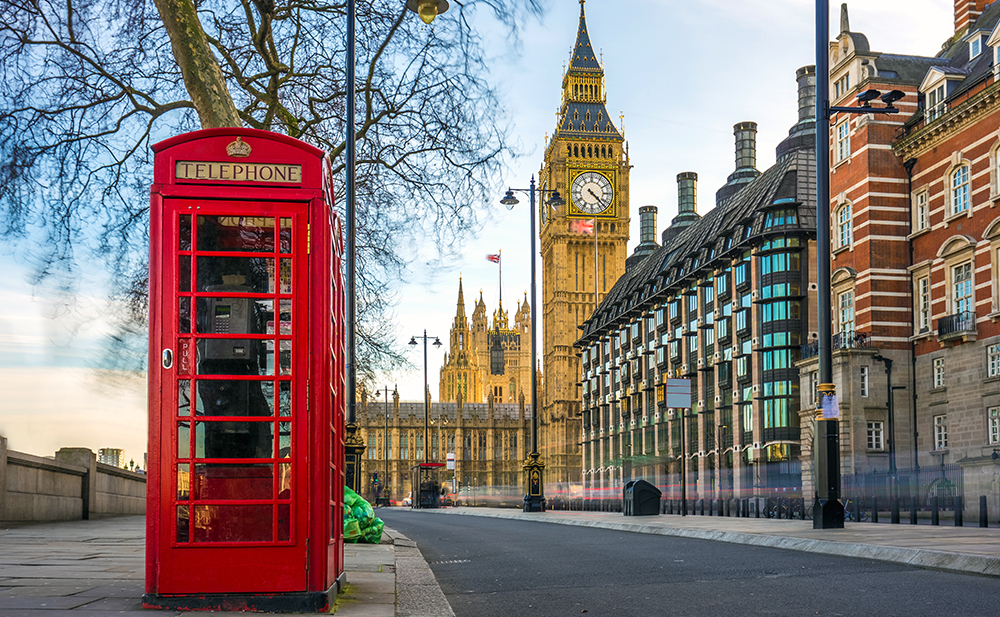
Synonymous with royalty, London is a living testament to the lofty achievements of the mighty kings and queens that have presided over this storied island nation. Witness the changing of the guard at gracious Buckingham Palace, a cherished custom that is both timeless and precisely on time, and tour the Houses of Parliament, the city’s other magnificently ornate center of power and a UNESCO World Heritage site. Cross the iconic Tower Bridge on your way to view the utterly dazzling Crown Jewels, which are kept in the once-forbidding Tower of London, another UNESCO site.
After refreshing with a pint of beer at a classic English pub, sample the best of contemporary art at the essential Tate Modern, which is housed in a former brick power station. Next door, you’ll find the faithful reconstruction of Shakespeare’s Globe Theatre, where Romeo and Juliet can keep falling in love for eternity. Stroll through immaculately manicured Hyde Park, shop in tony Covent Garden and take in the entire city from the London Eye observation wheel, as the resonant chimes of Big Ben comfort both Londoners and visitors with time-honored tones known the world over.
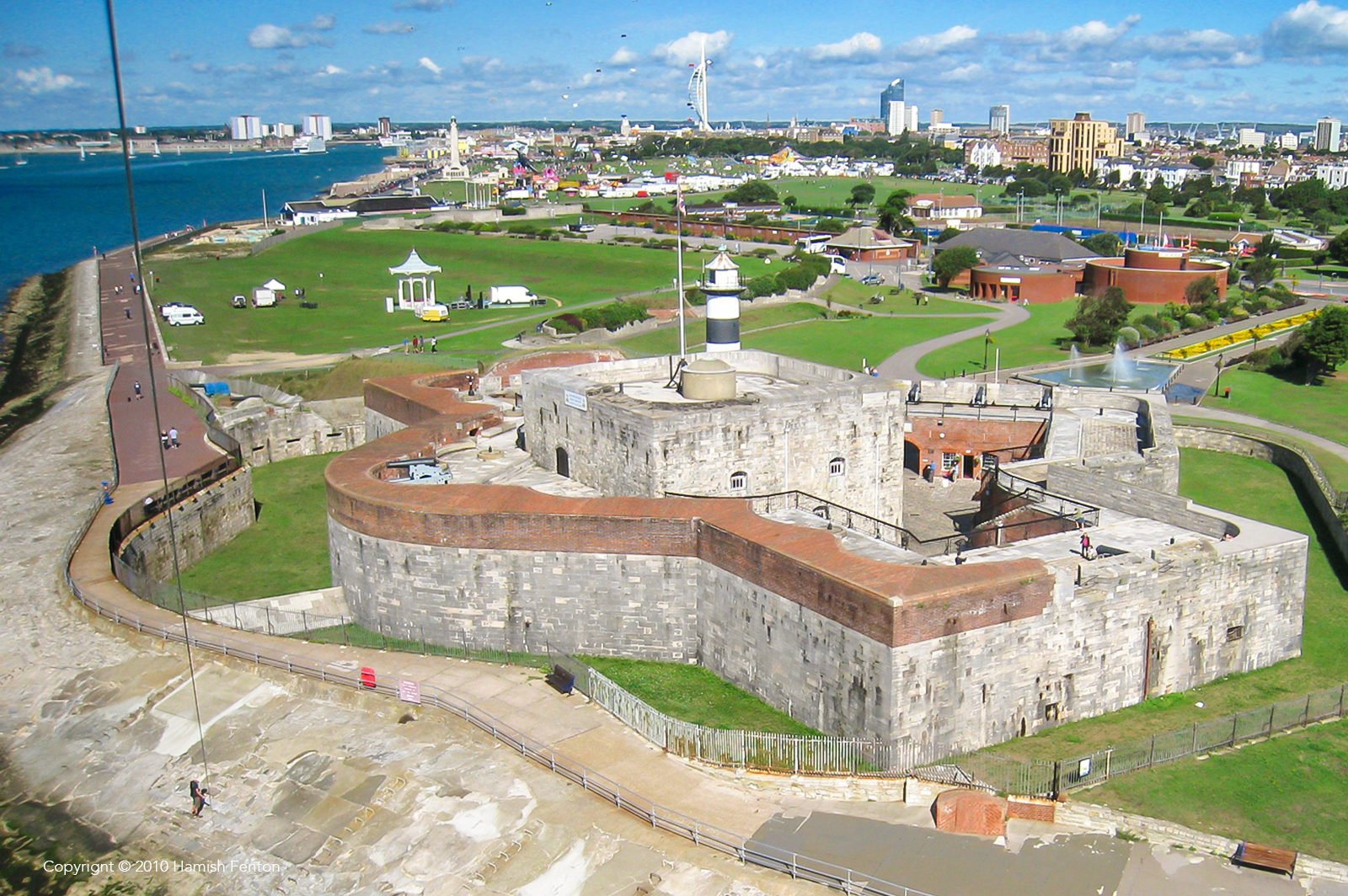
Portsmouth lies on Portsea Island, a narrow peninsula that separates two inlets of the English Channel, Portsmouth Harbor to the west and Langstone Harbor to the east. Home to Britain’s Royal Navy, the city’s rich military history includes an historic dockyard that houses many notable ships, including HMS Warrior, the first iron-hulled warship, and HMS Victory, Admiral Horatio Nelson's flagship during 1805’s Battle of Trafalgar. Beyond military history, Portsmouth is marked by Spinnaker Tower, a 170-meter structure with sky-high observation decks providing views of the harbor. Browse the shops at Gunwharf Quays and explore Old Portsmouth for its pubs and restaurants, Portsmouth Cathedral, Royal Garrison Church, and Square and Round Tower, two historic defense towers dating to the fifteenth century. Relax and stroll the promenade at Southsea Beach, stretching from Old Portsmouth to the estuary, with King Henry VIII’s Southsea Castle jutting up to the water’s edge.
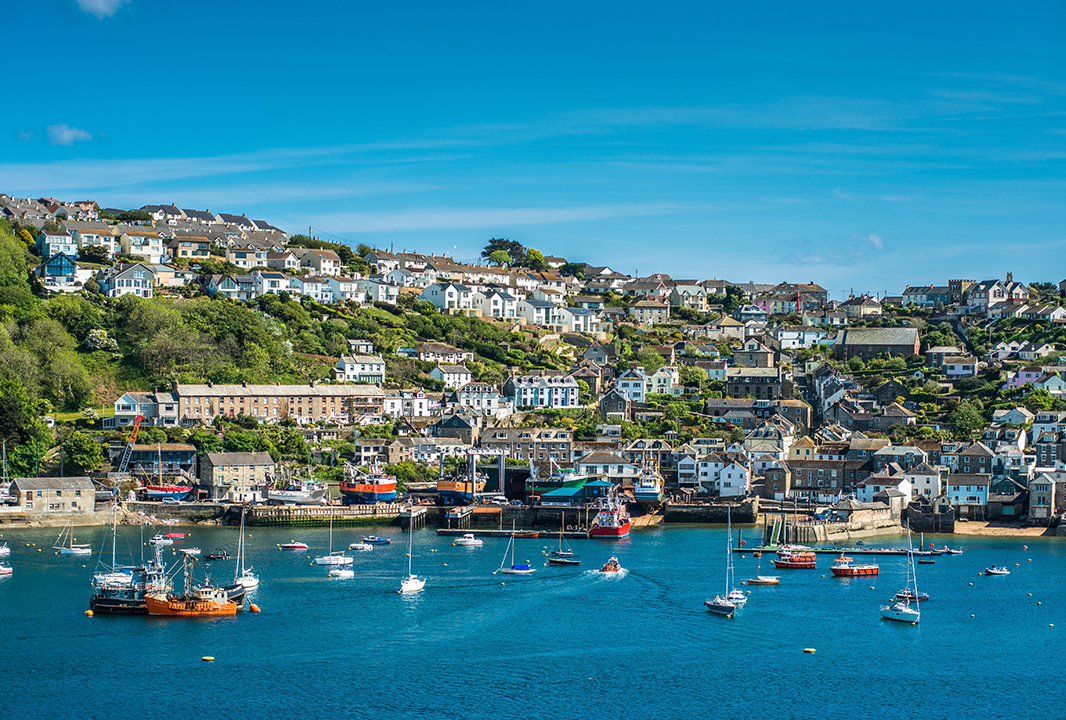
Dock in Fowey Harbor to explore the small town of Fowey, England, sitting pretty on the south coast of Cornwall, just a stone’s throw away from the Biomes House, the largest contained rainforest, and the award-winning garden restoration project, the Lost Gardens of Heligan. Established hundreds of years ago as a trading and navel town, Fowey boasts a heady mix of coastal walking paths, quaint streets, and luxe boutiques, backgrounded by a picturesque countryside and thirteenth-century Restormel Castle.
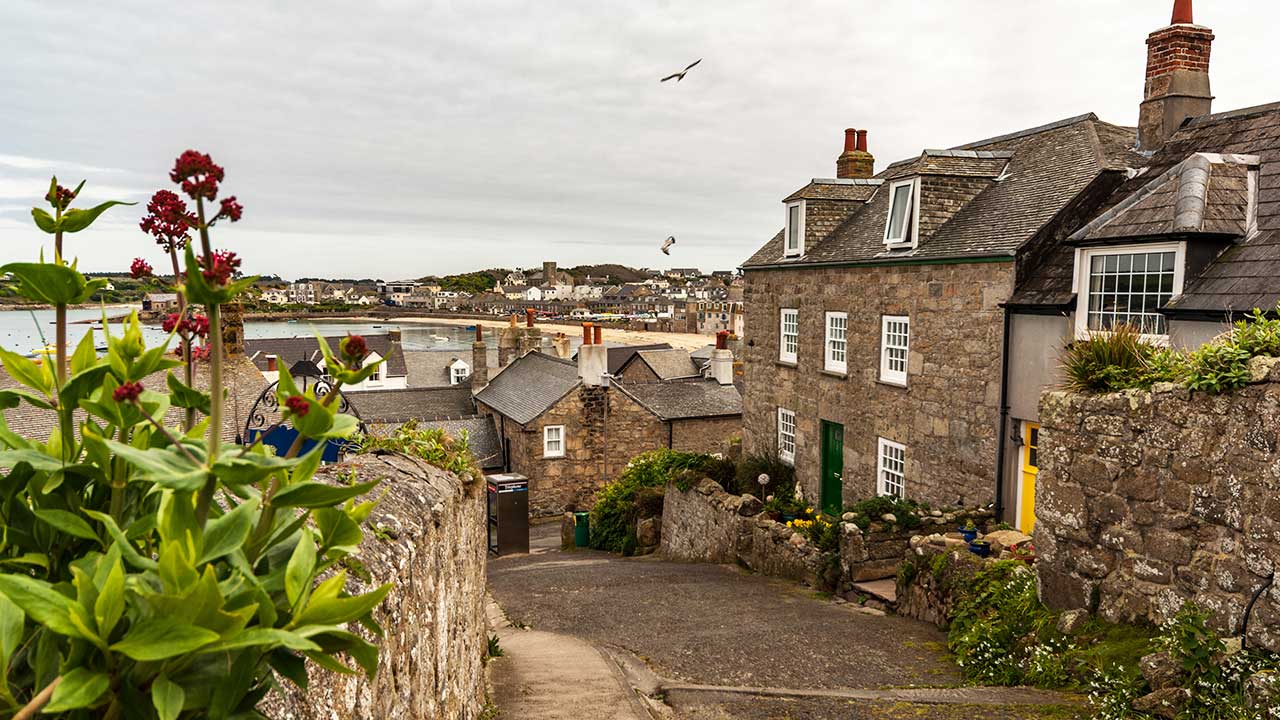
The Isles of Scilly, an archipelago off the Cornish coast of southwest England, is defined by its heathland and fringed by sandy beaches. On Tresco, one of the five inhabited islands in the archipelago, Tresco Abbey Garden is home to subtropical plants and the Valhalla Museum, displaying a diverse collection of artifacts. As a small, privately owned island, Scilly’s ambiance of exclusivity extends to its upscale cafés and art gallery. The tower of 17th-century Cromwell’s Castle stands north of Tresco and is one of a handful of stone fortifications that survive from England’s Interregnum (“between reigns”) period of 1649-1660.
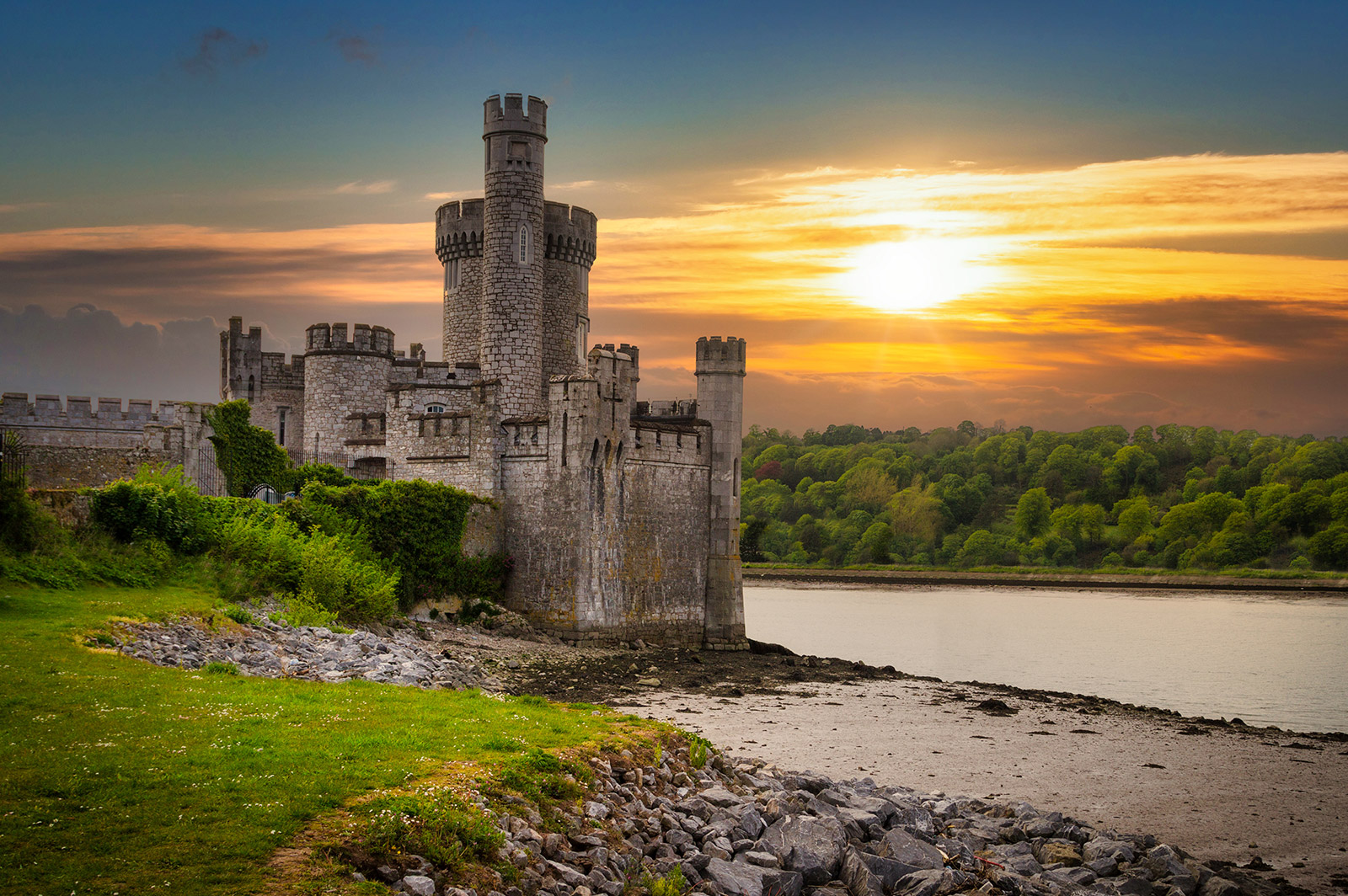
Sitting pretty in southwest Ireland in Cork Harbor, one of the world’s largest natural harbors, Cork enjoys a rich maritime heritage. Founded in the sixth century as a monastic settlement, Cork was expanded by the Vikings and granted a charter in 1185 by Prince John. Also called "the Rebel City" for its support of the Yorkist cause during the Wars of the Roses, there is much to see and do both in and around the city. Cork is recognized for its St. Fin Barre’s Cathedral, a nineteenth-century Gothic-style cathedral with stained-glass windows, stone carvings, and tower that offers panoramic views of the city. The English Market, selling its wares since 1788, is one of the oldest and most historically rich covered markets in Europe, offering both local and international delicacies. Cork is your gateway abundant castles, most notably the Blarney Castle, home to the infamous Blarney Stone and the Rock of Cashel, also known as “High Kings of Tipperary” as it was the historical seat where the High Kings of that region were crowned and held court. The High Kings of Tipperary boasts thousand-year-old structures, including a round tower, Romanesque chapel, and Gothic cathedral. Whiskey lovers can also visit the Jameson Midelton Distillery and Museum in nearby Midleton, set on over 15 acres, to see the world’s largest pot still and experience premium whiskey tasting.
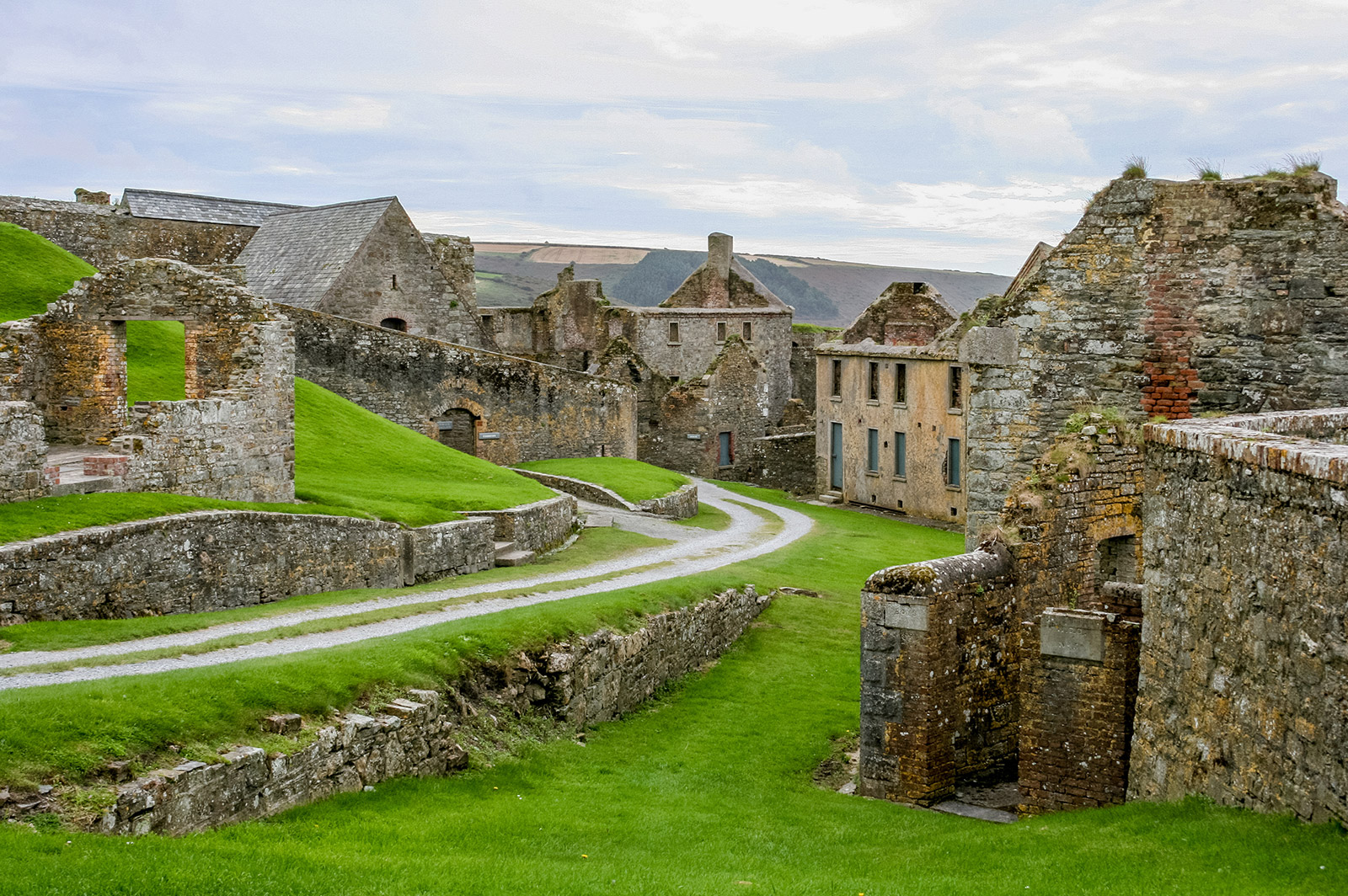
Sitting pretty in Kinsale Harbor at the mouth of the Bandon River, just south of Cork, Kinsale enjoys a rich history as a medieval fishing village and important naval port for over 500 years, known for its Battle of Kinsale. The colorful seaside village is strollable, providing easy access to historic sites, museums, and outdoor activities. Kinsale has a celebrated food culture, found in its restaurants, including the Michelin-starred Bastion, and annual gourmet food festivals. Notable buildings include Desmond Castle, built by the ninth Earl of Desmond circa 1500, which has taken on many roles over time, including functioning as a prison, ordnance store, workhouse, and, most recently, the International Museum of Wine. Charles Fort, a seventeenth-century star-shaped fort and Irish National Monument, offers panoramic views and self-guided walks. James Fort, on the river’s opposite bank, boasts grassy headlands and views of the harbor and Kinsale town. Beyond castles, golf lovers can tee off at the world-renowned Old Head Golf Links, sitting on a 220-acre headland jutting into the Atlantic, offering dramatic views and a challenging course.
A quiet market town on the River Barrow turns out to be the ancestral home of an American dynasty, the Kennedy Homestead at nearby Dunganstown still farmed by the family's Irish cousins, and well worth the short drive. The full-scale replica of the Dunbrody famine ship tells the harder side of that same story, of the millions who left this stretch of coast for America in the 1840s. Golf links wind along the Wexford coast nearby, while the Saltee Islands just offshore hold one of Ireland's great seabird colonies. A small, unassuming port with an outsized story to tell.
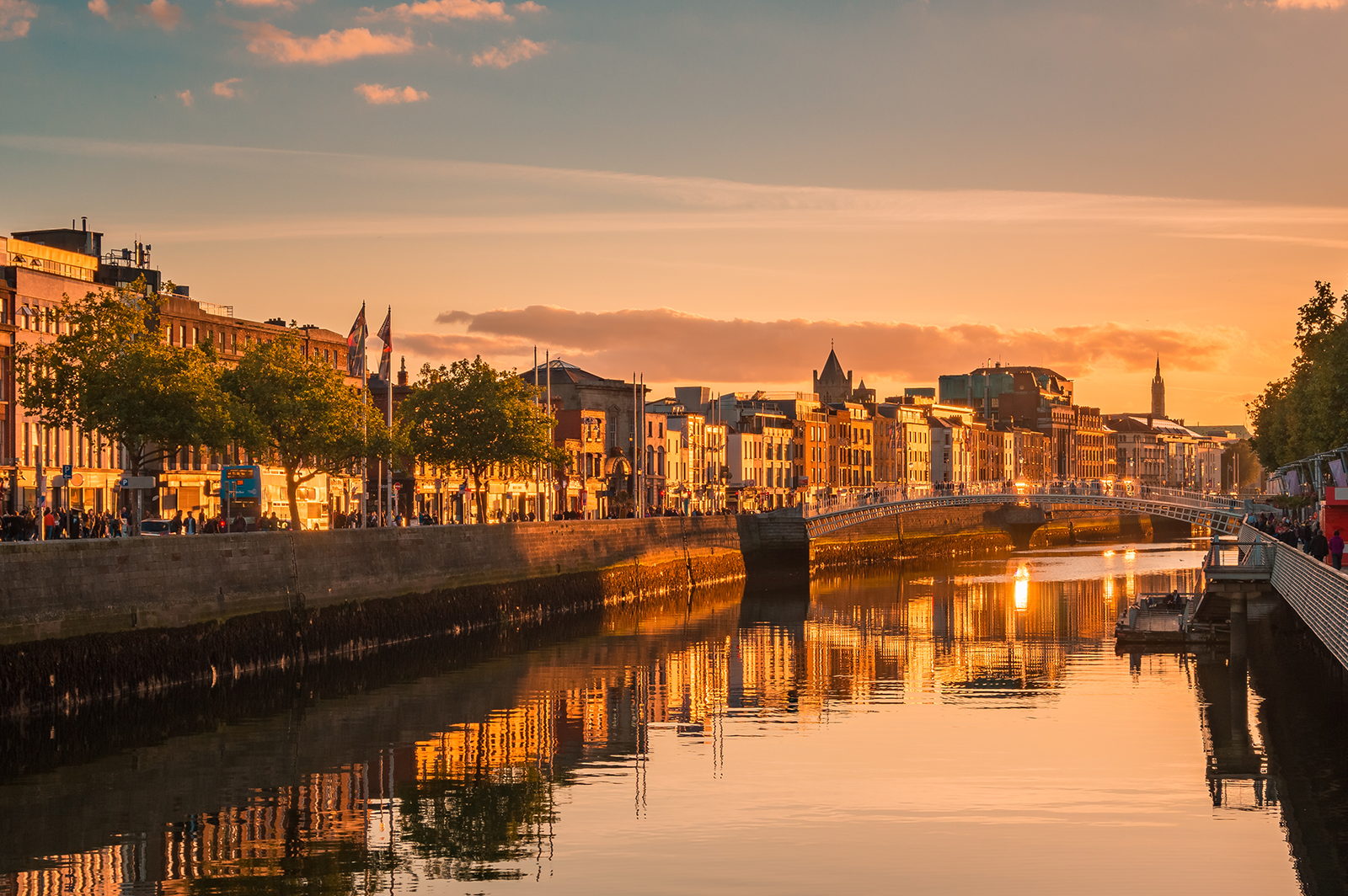
Dublin, the capital of the Republic of Ireland, sits on Ireland’s east coast at the mouth of the Liffey River. The Vikings settled in Dublin from the 841 AD onward, and existing remnants of Viking history infuse the city. During their reign Dublin became the most important town in Ireland as well as a center for western Viking expansion and trade. As the second city of the British Empire in the 18th century, Dublin entered its architectural golden age and is famous for the Georgian architecture of this period. Historic buildings include the thirteenth-century Dublin Castle and imposing St Patrick’s Cathedral, founded in 1191. City parks include landscaped St. Stephen’s Green and strollable Phoenix Park. The National Museum of Ireland explores Irish heritage and culture. You’ll find just as much allure in Dublin’s parks and expansive green spaces as you will in the city’s lively quarters—from cycling through the quiet glens of Phoenix Park to meandering amid orchids inside the glasshouses at the National Botanic Gardens.
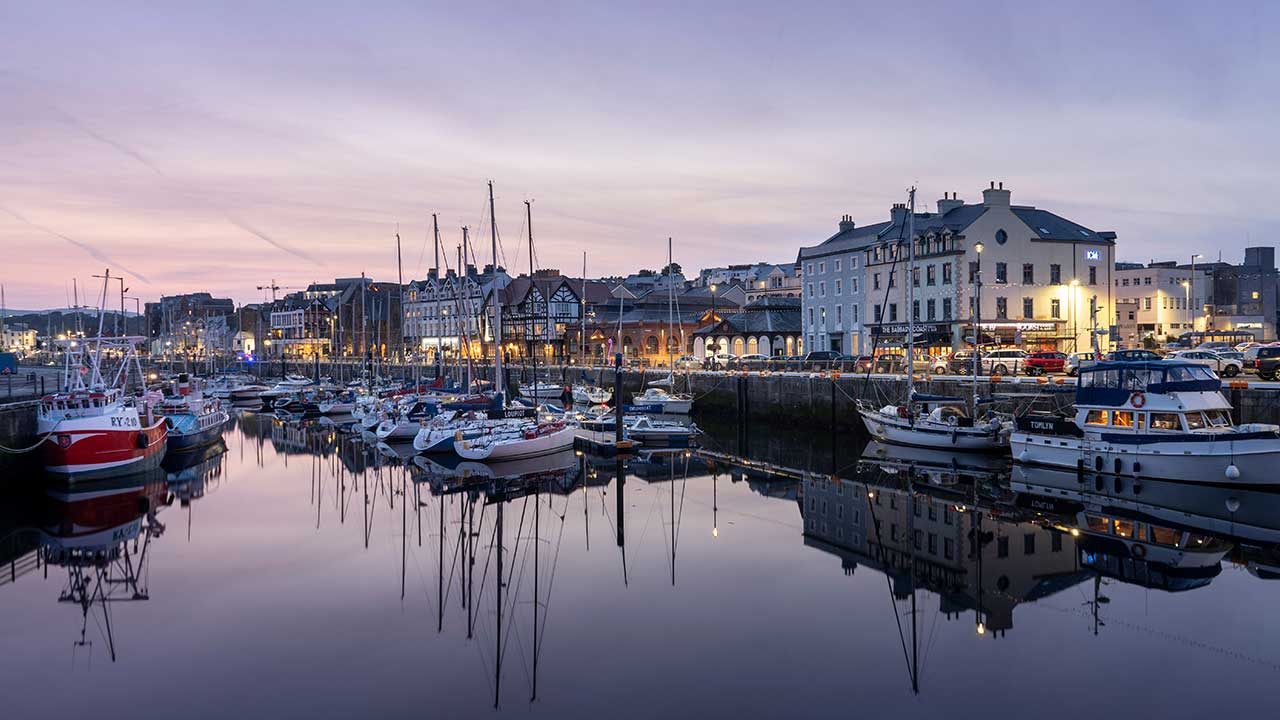
The islands of Great Britain, Ireland, the Isle of Man, the Inner and Outer Hebrides, the Northern Isles of Orkney and Shetland—and thousands of smaller islands—collectively comprise the dreamy British Isles. Rugged cliffs, sandy beaches, and intimate yachting harbors and ports allow a view of island life you haven’t experienced unless you have approached these destinations by yacht. Yachting through the remote Isles of Scilly and castle-dotted, rural Isle of Man transport you to otherworldly locations.
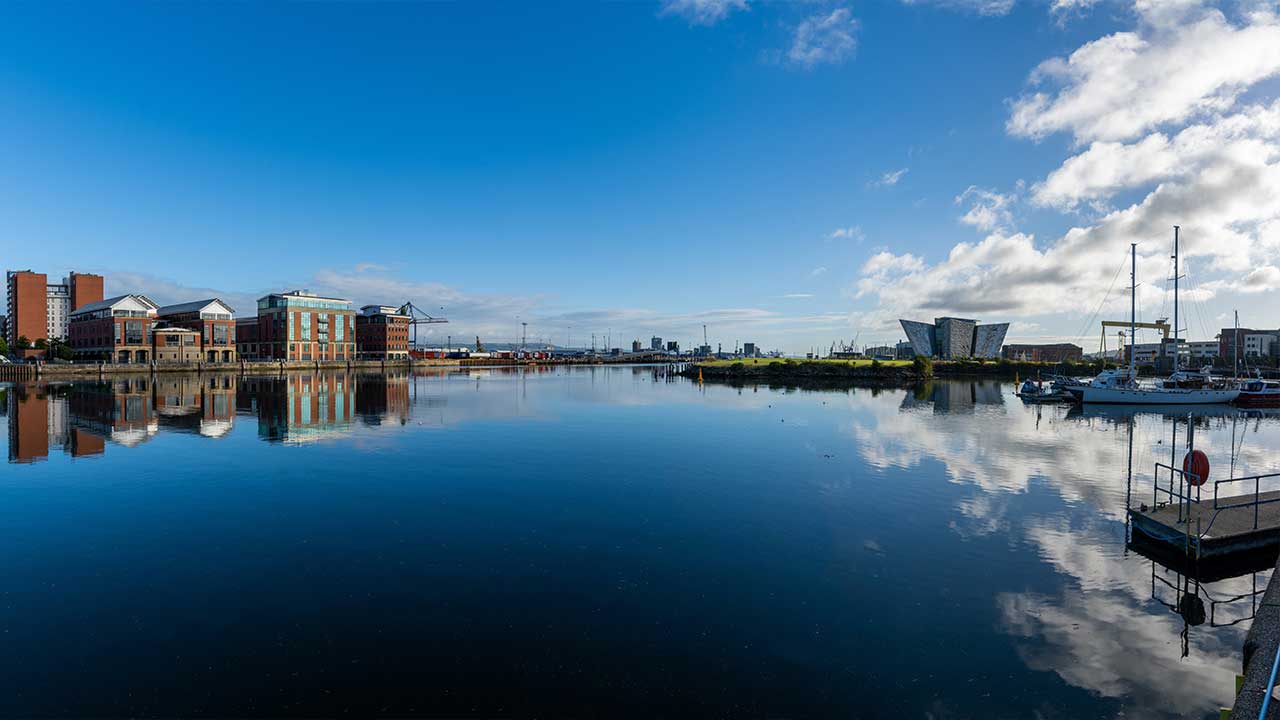
Northern Ireland’s thriving capital of Belfast offers historic landmarks and museums, including the Ulster Museum, the aluminum-clad Titanic Belfast, and the Metropolitan Arts Center (The MAC), located in Belfast’s Cathedral Quarter. Among shipbuilding and the production of rope and tobacco, the city paved the way in the world’s linen industry, and many of its linen houses still remain in the city’s historic Linen Quarter. Stroll the Botanic Gardens, designed in the 19th century by Sir Charles Lanyon. Named for the five caves along the Belfast cliffs, Cave Hill Country Park offers walking trails with incredible views dotted with ancient history, including the nineteenth-century Belfast Castle and the old stone McArt’s Fort, sitting 1,200 feet above sea level. Take in the city’s lively food scene, including St. George’s Market boasting local delicacies. As your gateway to Northern Ireland, Belfast is perfectly positioned for exploration of Giant’s Causeway, Game of Thrones filming locations, and bicycling beyond Belfast.
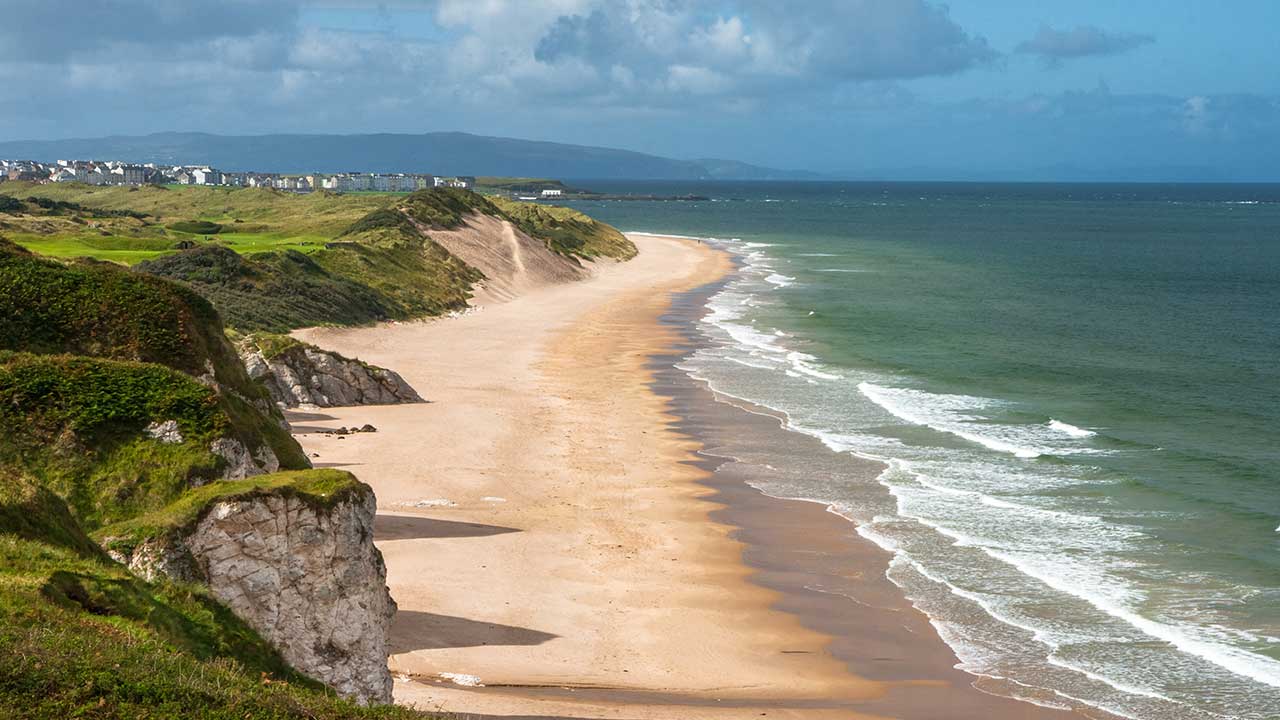
The small seaside resort town of Portrush (“Port Rois” in Old Irish) sits quietly on the north coast of County Antrim, Northern Ireland. Set on a peninsula that juts into the Atlantic, Portrush boasts stunning beaches, including East Strand, West Strand, and White Rocks, each awarded “Blue Flag” status for their pristine waters. During medieval times, Portrush was a strategic landing place for the castle and settlement at Dunluce, and today its Old Town pays homage to its historic past. Portrush is the gateway to Giant’s Causeway, a geologic wonder of interlocking basalt columns jutting from the sea at the foot of dramatic cliffs.
Port Ellen, Isle of Islay, Scotland, United Kingdom
Morning
Late Evening
In Port Ellen, you can spend the day touring world-renowned distilleries, wandering along a sheltered sweep of sand, or following coastal tracks toward the dramatic cliffs of Mull of Oa. The historic harbor and old maltings recall the village’s rich whisky past, while nearby waters often host seals and seabirds. With its mix of gentle scenery and iconic whisky culture, Port Ellen provides a warm introduction to Islay.
A resort town sitting on the west coast of Scotland in the Firth of Lorn, Oban (in Gaelic, meaning “Little Bay”), charms with its natural beauty. The horseshoe-shaped bay is protected by the island of Kerrera and, beyond that, the Isle of Mull, making it perfect for watersports such as kayaking, canoeing, and fishing. The town grew up around the distillery, founded in 1794, which whisky enthusiasts still visit today. Despite its small size, Oban is known as the “Seafood Capital” of Scotland, serving up fresh seafood in its pubs and restaurants. McGaig’s Tower, a circular tower built from Bonawe granite in 1897, stands on Battery Hill and overlooks the islands of Kerrera, Lismore, and Mull. Just outside the town, visitors find thirteenth-century Dunollie Castle, standing on a rocky ridge overlooking Oban Bay. North of Oban, the natural rock formation of Fingal’s Dogstone is closely tied to Celtic mythology as the location where the giant Fingal would leave his Dog Bran while hunting across the Hebridean Islands.
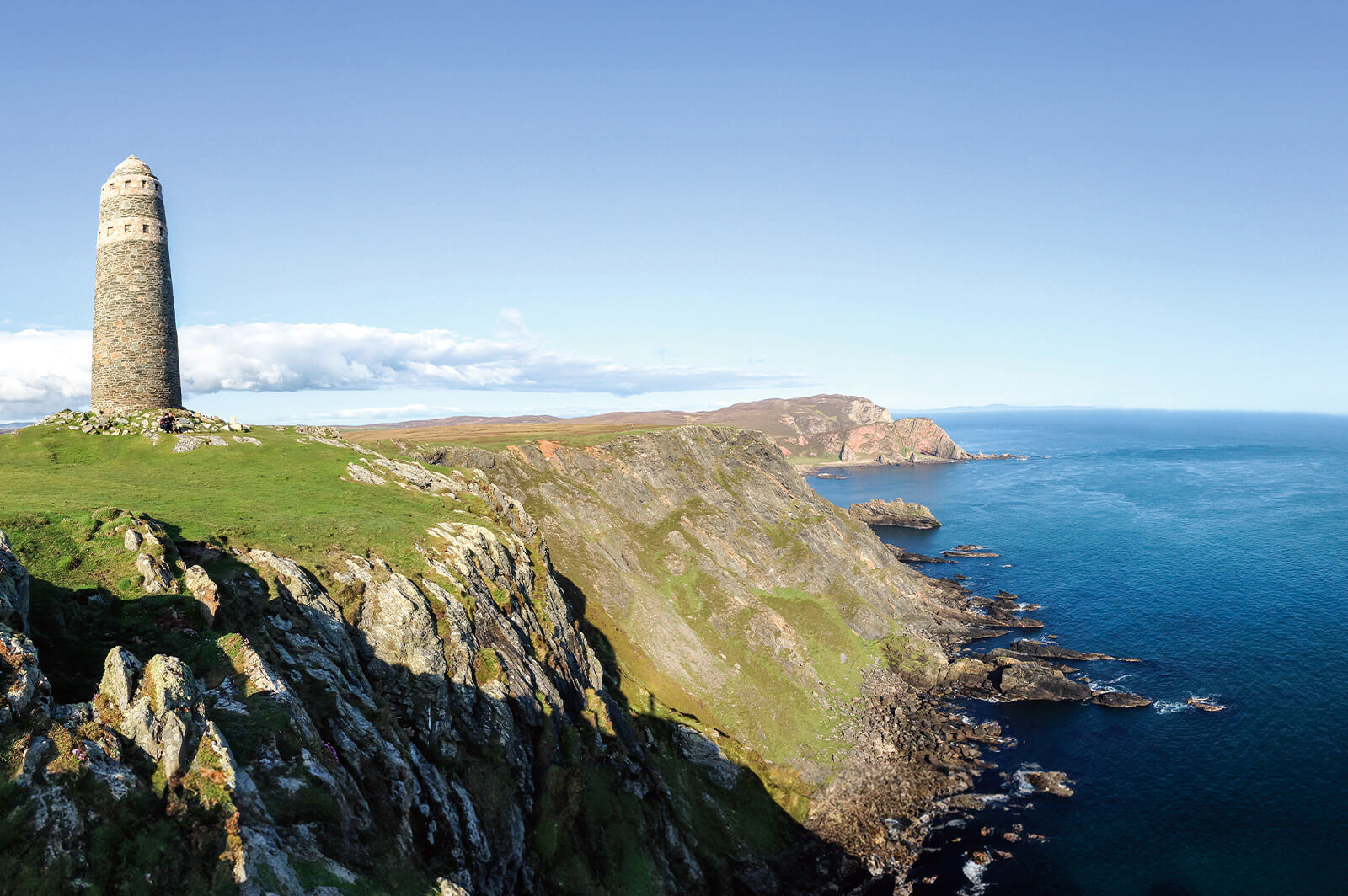
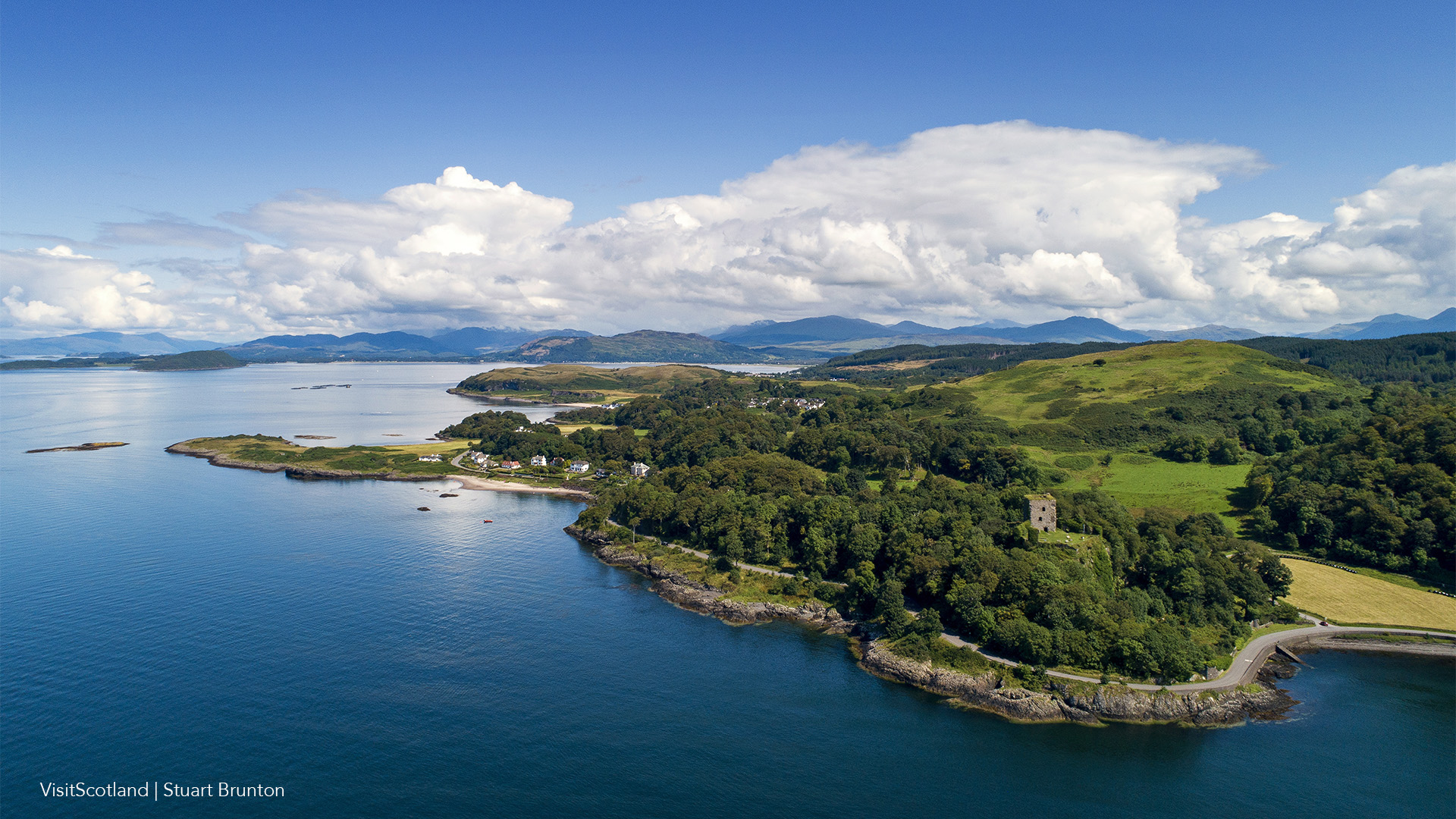
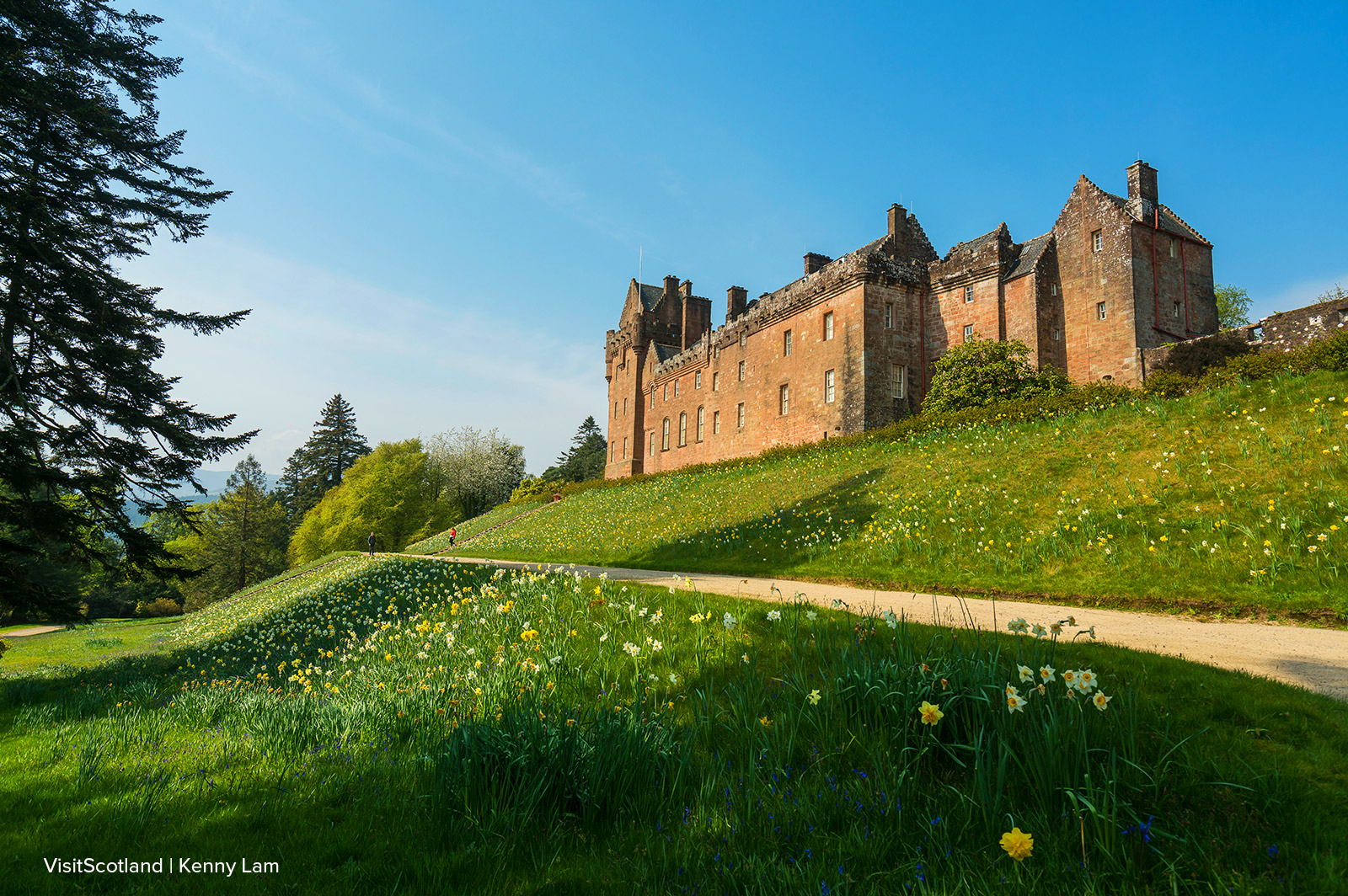
Often called Scotland in miniature for packing Highland scenery, castles and whisky onto one small island, Arran rises straight from the harbor at Brodick to the granite peak of Goat Fell. Brodick Castle and its gardens sit just above the pier, while the island's own distillery turns out a well-regarded single malt within an easy drive. Seven golf courses share this one small island, along with red deer, seals and a coastline made for walking. A whole Highland holiday, scaled down.
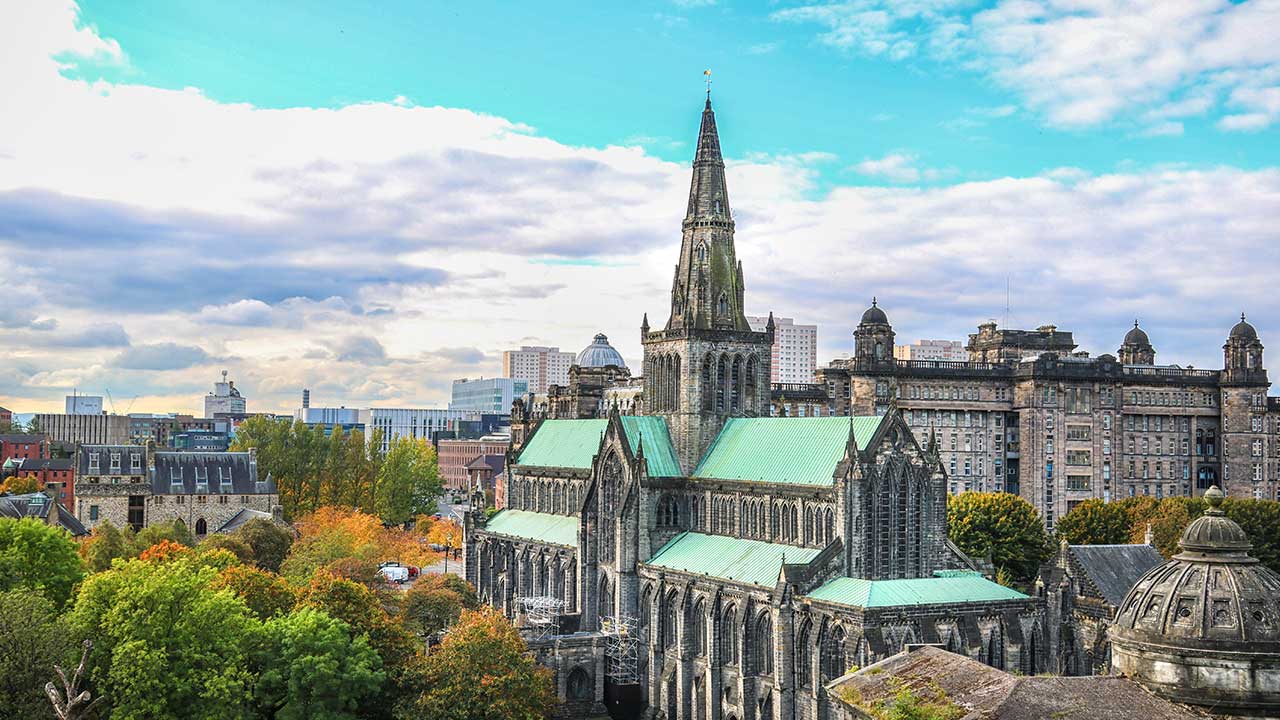
Sitting along the banks of the Clyde River, Glasgow is one of Northern Europe’s most endearing and culturally vibrant cities, boasting a variety of art and museums, galleries, luxe restaurants, and pubs. The city’s Gaelic name, Glaschu, fittingly translates as “dear green place.” Glasgow boasts an incredible architectural heritage, ranging from medieval times to the Victorian and Art Nouveau eras, set within a city full of abundant parks and green spaces, making it ripe for exploration. Glasgow is also home to Scotland’s national opera, ballet, and theater companies and is a UNESCO City of Music, presenting a lively music scene. Defined by a strong sense of community and welcoming ambiance, the dynamic city shines for diversity, from the city’s artsy West End to historic East End, home to the 12th-century Gothic Glasgow Cathedral.
Fares are per person based on double occupancy and include government, port and service fees. Fares are capacity controlled and may change without notice.
Yachting Land Adventures & Activities
We are curating extraordinary, bucket-list experiences across the globe for SeaDream III. Details of these once-in-a-lifetime Yachting Land Adventures will be unveiled in the months ahead.
Testimonials
We enjoyed every minute of our "yacht adventure" and it really is impressive to be addressed by name from the moment we boarded! [...] The crew is really first rate and didn't miss a beat in providing the best service I've ever experienced.
Dale W.California
You are organizing great trips and you have excellent service. I think I will use your services more in future.
Albert R.Illinois